
Classic car owner manuals are vital resources, offering original insights into vehicle operation and maintenance. They bridge the gap between past and present automotive understanding.
The Importance of Original Manuals
Original classic car owner manuals represent a direct link to the vehicle’s initial design and intended operation. They aren’t simply guides; they embody the manufacturer’s original instructions, offering unparalleled accuracy for restoration and maintenance. These manuals detail specific procedures, component locations, and troubleshooting steps relevant to the car’s era.
Unlike modern, generalized repair information, original manuals provide context specific to the vehicle’s year, model, and even regional variations. They are invaluable for maintaining authenticity during restoration projects, ensuring that repairs align with the original specifications. Furthermore, possessing an original manual enhances the vehicle’s overall value and appeal to collectors, demonstrating a commitment to preserving automotive history.
Why Digital Copies are Valuable
Digital copies of classic car owner manuals offer accessibility and preservation benefits that original paper copies sometimes lack. They mitigate the risk of damage or loss due to age, handling, or environmental factors. A digital archive allows for easy searching, printing of specific sections, and convenient access from multiple devices – a boon for restoration projects.
Furthermore, digital formats facilitate wider distribution and collaboration within the classic car community. Online resources provide a platform for sharing rare or hard-to-find manuals, benefiting enthusiasts globally. While originals hold historical significance, digital copies ensure the information remains readily available for generations, supporting the continued preservation and enjoyment of classic automobiles.

Locating Classic Car Manuals
Finding classic car manuals involves exploring online autojumbles, specialist vintage garages, and auction sites – resources brimming with automotive history.
Online Resources for Manuals
The digital age offers unprecedented access to classic car manuals. Numerous websites specialize in hosting original technical publications, often available in convenient PDF or USB formats. These platforms allow enthusiasts to browse and download manuals directly, saving time and effort.
One notable resource is The Old Car Manual Project, providing a vast library of historical automotive documentation. Websites resembling online autojumbles curate collections of vintage owner handbooks and service manuals, constantly updated with new additions. Remember to bookmark these sites, as they frequently expand their offerings.
Accessing these resources often requires a small fee, but the convenience and wealth of information make it a worthwhile investment for any classic car owner or restorer. Digital archives ensure these valuable documents are preserved and readily available for generations to come.
Specialist Vintage Auto Garages
Beyond online resources, specialist vintage auto garages frequently stock original classic car manuals. These establishments often accumulate collections through years of servicing and restoring vintage vehicles. They can be invaluable sources for hard-to-find documentation, offering expertise alongside the manuals themselves.
These garages aren’t simply retailers; their staff possess practical knowledge and can assist in identifying the correct manual for your specific vehicle and year. They understand the nuances of different models and can guide you towards the most relevant information for repairs or restoration.
Furthermore, these businesses often offer restoration services and can utilize the manuals to ensure authenticity and accuracy in their work. Visiting a specialist garage provides a personalized experience and access to a wealth of automotive history.
Auction Sites and Marketplaces
Classic car owner manuals frequently appear on online auction sites and marketplaces, offering a dynamic avenue for acquisition. Platforms like eBay often host listings from individual sellers and specialized dealers, presenting a diverse range of manuals at varying prices and conditions.

However, careful scrutiny is crucial when purchasing through these channels. Thoroughly examine the listing description and photographs to assess the manual’s condition and ensure it matches your vehicle’s specifications.
Consider the seller’s reputation and feedback history before bidding or buying. Marketplaces can yield excellent finds, but due diligence is essential to avoid acquiring incomplete or inaccurate documentation. Patience and consistent searching often lead to success.

Types of Manuals Available
Classic car manuals encompass owner handbooks, detailed service and repair workshop guides, and comprehensive parts catalogs – each serving a unique restoration purpose.
Owner Handbooks: A User’s Guide
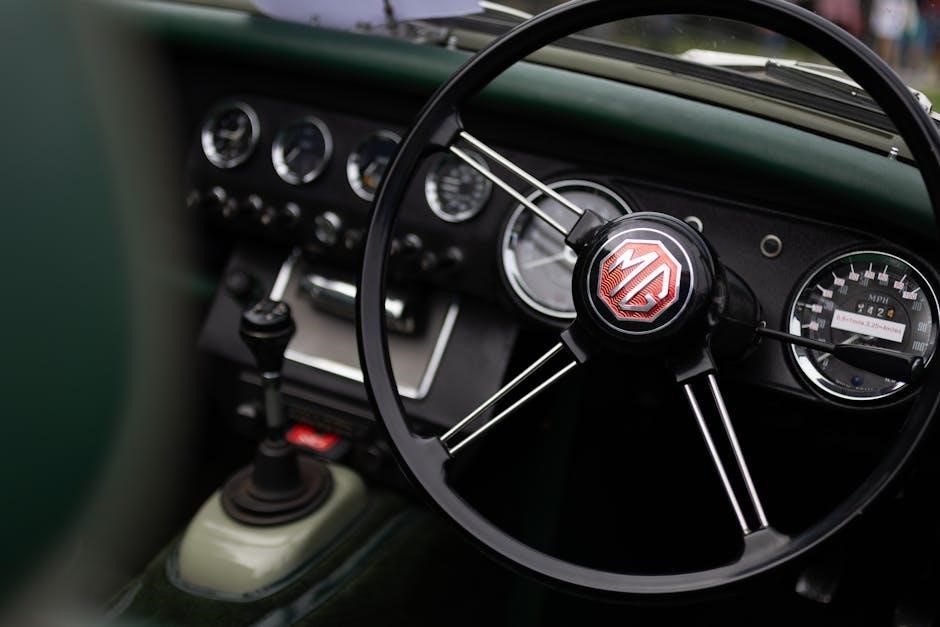
Owner handbooks represent the initial connection between a driver and their classic vehicle. These original vintage documents, specializing in models like the Triumph Herald or MG Roadster, provide fundamental operational instructions. They detail everything from basic controls and routine maintenance schedules to understanding warning lights and fluid checks.

More than just a guide, these handbooks offer a glimpse into the original ownership experience. They often include period-specific advice and illustrations, adding to their collectible value. Finding an original handbook, as offered by specialist garages, is crucial for authenticity. They are truly the perfect gift for any classic car enthusiast, offering a direct link to the vehicle’s past and ensuring proper care for its future.
Service and Repair Workshop Manuals
Service and repair workshop manuals are indispensable for maintaining a vintage or classic car’s mechanical health. These detailed guides provide step-by-step instructions for diagnosing issues, performing repairs, and understanding the vehicle’s intricate systems. They are essential for anyone undertaking restoration or regular maintenance, ensuring tasks are completed correctly and safely.
Original manuals, covering models from the 1920s to the 1980s, offer invaluable insights unavailable elsewhere. Accessing these resources, often in PDF or USB format, allows enthusiasts to confidently tackle repairs. A comprehensive manual, like those available through online resources, can save time and money, keeping your classic car reliably on the road. Expert assistance from vintage auto garages can further aid in utilizing these manuals effectively.
Parts Catalogs and Diagrams
Parts catalogs and diagrams are crucial companions to owner and service manuals, providing a visual key to identifying and sourcing components for classic car restoration and repair. These catalogs detail every part, often with exploded views and part numbers, simplifying the process of finding replacements. They are particularly valuable when dealing with older vehicles where parts availability can be limited.
Access to these resources, whether in original printed form or digitally, is essential for accurate restoration. Understanding the diagrams allows enthusiasts to correctly assemble components and ensure proper functionality. Combined with service manuals, they empower owners to confidently undertake complex repairs, preserving the authenticity and value of their classic automobiles.
Specific Manual Examples (Based on Available Data)
Examples include 1958 & 1976 Chevrolet carburetor/fuel injection guides, a 1929 Buick reference book, and a 1984 Oldsmobile chassis service manual.
Chevrolet Carburetor and Fuel Injection Manuals (1958, 1976)
Chevrolet’s transition through carburetor and fuel injection systems is well-documented in these manuals. The 1958 guide details the intricacies of early Chevrolet carburetors, crucial for maintaining performance in classic models. It provides detailed diagrams and adjustment procedures for optimal engine operation.
Fast forward to 1976, and the manual reflects the shift towards fuel injection technology. This resource is invaluable for understanding the complexities of these systems, offering troubleshooting steps and component-level repair information. Both manuals are essential for owners dedicated to authentic restoration or reliable operation of their Chevrolet vehicles, offering a deep dive into the fuel delivery systems of their era.
Buick Reference Books and Specifications (1929)
The 1929 Buick reference books represent a cornerstone for understanding early automotive engineering. These manuals aren’t simply owner’s guides; they are comprehensive compendiums of specifications, detailing every aspect of the vehicle, from engine dimensions to chassis layouts. They provide invaluable insight into the manufacturing processes and design philosophies of the time.
For restorers, these books are indispensable, ensuring accuracy in every detail. They offer precise measurements, material specifications, and assembly instructions, allowing for a truly authentic rebuild. Beyond restoration, they offer a fascinating glimpse into Buick’s commitment to quality and innovation during a pivotal period in automotive history, making them highly sought-after resources.
Oldsmobile Chassis Service Manuals (1984)
The 1984 Oldsmobile chassis service manuals are essential for anyone undertaking repairs or restoration work on vehicles from this era. These manuals delve deep into the intricacies of the Oldsmobile chassis, providing detailed diagrams and step-by-step instructions for everything from suspension overhauls to brake system maintenance. They are a crucial resource for diagnosing and resolving complex mechanical issues.
Unlike basic owner’s manuals, these service manuals are geared towards professional technicians and serious enthusiasts. They contain torque specifications, wiring schematics, and troubleshooting guides, enabling accurate and efficient repairs. Preserving these manuals ensures that the knowledge required to maintain these classic vehicles remains accessible for generations to come.
Understanding Manual Content
Classic car manuals contain vital technical specifications, detailed repair procedures with diagrams, and helpful troubleshooting guides for effective vehicle maintenance and restoration.
Technical Specifications and Data
Classic car owner manuals are treasure troves of precise technical information, crucial for any restoration or maintenance endeavor. These manuals meticulously detail engine specifications – horsepower, torque, compression ratios – alongside transmission details, axle ratios, and braking system parameters.
You’ll find comprehensive data on fluid capacities, ignition timing, and factory-recommended adjustments. Original manuals often include detailed chassis dimensions, weight distribution figures, and electrical schematics. This data isn’t merely numbers; it represents the manufacturer’s intended performance and operational parameters.
Accessing this information allows owners to ensure authenticity during restoration, accurately diagnose issues, and maintain the vehicle to its original factory standards. Properly utilizing these specifications is paramount for preserving the vehicle’s historical integrity and optimal functionality.
Repair Procedures and Diagrams
Classic car owner manuals, particularly workshop and service manuals, excel in providing step-by-step repair procedures. These aren’t simply instructions; they’re detailed guides, often accompanied by exploded diagrams illustrating component relationships and assembly sequences.

You’ll discover procedures for tasks ranging from routine maintenance – oil changes, tune-ups – to complex overhauls like engine rebuilds or transmission repairs. Diagrams clarify the location of parts, fastener torque specifications, and proper alignment techniques.
These visual aids are invaluable for tackling repairs independently, reducing reliance on specialized mechanics. Understanding these procedures and diagrams ensures correct assembly, preventing future issues and preserving the vehicle’s original functionality. They are essential for anyone undertaking restoration or significant repairs.
Troubleshooting Guides
Classic car owner manuals frequently include dedicated troubleshooting sections, acting as a first line of defense against mechanical issues. These guides present common problems, their likely causes, and suggested solutions, empowering owners to diagnose and address issues themselves.
Rather than vague descriptions, manuals often provide systematic diagnostic charts, leading you through a series of checks – testing components, inspecting wiring, or evaluating fluid levels – to pinpoint the root cause;
These guides are particularly useful for older vehicles where modern diagnostic tools may be ineffective. They offer insights into the quirks and common failures specific to each model, saving time and potentially preventing costly repairs. Mastering these guides is key to keeping a classic car reliably on the road.

Preserving and Using Your Manuals
Classic car manuals deserve careful preservation through proper storage and digital backups, ensuring their longevity for restoration projects and continued vehicle maintenance.
Proper Storage Techniques

Protecting your classic car manuals from deterioration is crucial. Store them in a cool, dry environment, away from direct sunlight, which can fade the paper and covers. Acid-free archival boxes or sleeves are highly recommended, preventing yellowing and brittleness over time.
Avoid storing manuals in damp basements or hot attics, as fluctuating temperatures and humidity levels accelerate decay. Flat storage is preferable to stacking, minimizing stress on the binding. Consider using desiccant packets within the storage container to absorb any residual moisture.
Handle manuals with clean, dry hands to prevent transferring oils or dirt. Gentle handling minimizes wear and tear, preserving their condition for future generations of enthusiasts. Regular inspection for signs of deterioration allows for timely intervention.
Digital Backup and Archiving
Creating digital backups of your classic car manuals safeguards against loss or damage to the originals. High-resolution scanning is recommended, capturing every detail for clarity. Save files in PDF format for universal accessibility and long-term preservation. Multiple backup locations are essential – consider cloud storage, external hard drives, and USB drives.
Organize digital files logically, using a consistent naming convention based on year, make, and model. Metadata tagging enhances searchability. Regularly verify the integrity of your digital backups to ensure they remain accessible.
While digital copies offer convenience, they shouldn’t replace the originals; they serve as a vital insurance policy. Consider joining online communities dedicated to preserving automotive literature for collaborative archiving efforts.
Using Manuals for Restoration Projects
Classic car manuals are indispensable during restoration, providing authentic guidance for reassembly and repair. Service manuals detail procedures, torque specifications, and wiring diagrams crucial for accuracy. Parts catalogs ensure correct component identification and sourcing, avoiding costly mistakes.
Owner handbooks offer insights into original finishes, trim details, and operational features, guiding a faithful restoration. Diagrams within manuals clarify complex assemblies, while troubleshooting sections aid in diagnosing issues encountered during the process.
Referencing original documentation ensures a historically accurate restoration, preserving the vehicle’s authenticity and value. They are invaluable for understanding how components were originally intended to function and interact.