Category: Manuals (page 1 of 6)

dash egg cooker instruction manual

Dash Rapid Egg Cooker Instruction Manual: A Comprehensive Guide

This manual provides detailed instructions for the Dash Rapid Egg Cooker, covering setup, operation, safety, and troubleshooting.
It ensures perfectly cooked eggs, effortlessly, with features like auto-shutoff and versatile cooking methods.

Welcome to the world of effortless egg cooking! The Dash Rapid Egg Cooker is designed to simplify your breakfast, lunch, or snack preparation.
This innovative appliance cooks eggs faster than traditional methods, eliminating the guesswork and potential for overcooking.
With its compact design and user-friendly features, it’s perfect for dorms, apartments, or any kitchen.
Enjoy perfectly cooked eggs – boiled, poached, scrambled, or even omelets – with minimal effort.
Discover a convenient way to elevate your egg game!

Unboxing and Component Identification

Upon opening the box, carefully remove all packaging materials. You should find the Dash Rapid Egg Cooker base, a steaming tray, a poaching tray, a measuring cup, and this instruction manual.
Inspect each component for any visible damage. The egg cooker features a heating plate and water reservoir.
The included accessories allow for versatile cooking – hard-boiled, soft-boiled, poached, omelets, and even egg bites.
Ensure all parts are present before proceeding with setup.

Safety Precautions

Always prioritize safety when using the Dash Rapid Egg Cooker. Read all instructions before operation. Avoid touching hot surfaces; the cooker gets hot during use.
Ensure the appliance is properly grounded. Never immerse the base in water. Unplug when not in use and before cleaning.
Keep the cord away from hot surfaces. This appliance is not intended for use by individuals with reduced physical, sensory, or mental capabilities.

General Safety Guidelines

To ensure safe operation, always remove all packaging materials before first use. Inspect the cooker for any visible damage. Do not operate with a damaged cord or plug.
Use only as intended, for cooking eggs. Close supervision is necessary when used near children.
Allow the cooker to cool completely before cleaning or storing. Never operate the appliance unattended.

Electrical Safety Instructions

To prevent electrical shock, do not immerse the cooker, cord, or plug in water or other liquids. Avoid using extension cords. If operation is necessary, ensure the cord is properly rated.
Unplug from the outlet when not in use and before cleaning. Do not operate if the appliance malfunctions or shows signs of damage.
Always use a grounded outlet.

Understanding the Control Panel

The Dash Rapid Egg Cooker features a simple control panel. A single power button initiates the cooking cycle. Indicator lights clearly display the cooker’s status – power on, cooking, and warming.
These lights provide visual cues throughout the process. The auto-shutoff function is activated upon cycle completion, indicated by the light change. Familiarize yourself with these controls for optimal use.

Power Button Functionality

The power button on the Dash Rapid Egg Cooker is central to operation. Pressing it once starts the selected cooking cycle. A subsequent press does not stop the cooker mid-cycle; it relies on the auto-shutoff feature. The button illuminates when active, confirming power is supplied. Ensure the cooker is properly filled with water before pressing for safe and effective egg preparation.

Indicator Light Meanings

The Dash Rapid Egg Cooker utilizes indicator lights to convey its status. A solid light signifies the unit is powered on and actively cooking. When cooking is complete, the light automatically turns off, indicating the auto-shutoff feature has engaged. No light means the cooker is not receiving power – check the connection. Understanding these signals ensures optimal and safe egg cooking.

Getting Started: Initial Setup

Before your first use, unpack the Dash Rapid Egg Cooker and remove all packaging materials. Inspect for any visible damage. Wipe the exterior with a damp cloth. Ensure the heating plate and poaching tray are clean. Familiarize yourself with all components; Proper initial setup guarantees optimal performance and longevity of your new egg cooker, delivering consistently perfect results.

First-Time Use Preparation

Prior to the initial cook, it’s recommended to run a test cycle with water only. This cleans the heating element and removes any manufacturing residue. Fill the cooker with the maximum water line indicated, and select the ‘hard boiled’ setting. Allow the cycle to complete, then discard the water. This ensures a fresh start for perfectly cooked eggs, free from any unwanted flavors or odors.

Water Level Guide

Accurate water levels are crucial for desired egg consistency. Use the measuring cup provided! For hard-boiled eggs, fill to the ‘6 egg’ line. Soft-boiled eggs require filling to the ‘4 egg’ line. Poached eggs need the ‘poach’ line. Less water results in drier eggs, while more can lead to uneven cooking. Always refer to the specific cooking method instructions for optimal results and egg perfection.

Cooking Methods: Hard Boiled Eggs

Achieving perfectly hard-boiled eggs is simple with the Dash Rapid Egg Cooker! Add the desired amount of water – use the ‘6 egg’ line as a guide. Place eggs on the heating plate. Select the hard-boiled setting. The cooker will automatically shut off when complete. Cool eggs under cold water to stop the cooking process and ease peeling. Enjoy consistently perfect hard-boiled eggs every time!

Water Level for Hard Boiled Eggs

Determining the correct water level is crucial for hard-boiled success; Use the measuring cup provided, or carefully estimate using the markings inside the cooker. For 1-3 eggs, add the ‘1 egg’ line of water. For 4-6 eggs, fill to the ‘6 egg’ line. Precise measurement ensures consistent results. Insufficient water may lead to uneven cooking, while too much can cause overflow.

Cooking Time for Hard Boiled Eggs

Cooking time varies based on desired yolk consistency. For hard-boiled eggs, select the ‘hard-boiled’ setting on the control panel. The cooker will automatically shut off when complete; Typically, this takes approximately 12-15 minutes. Allow eggs to cool in an ice bath immediately after cooking to stop the cooking process and make peeling easier. Enjoy perfectly cooked, easy-to-peel hard-boiled eggs!

Cooking Methods: Soft Boiled Eggs

Achieving perfectly soft-boiled eggs is simple with the Dash Rapid Egg Cooker. Select the ‘soft-boiled’ setting, and the appliance will handle the timing. Expect a cooking duration of around 7-10 minutes, depending on your preferred yolk runniness. Remember to immediately cool the eggs in ice water to halt cooking. This method delivers a delightful, runny yolk ideal for dipping or enjoying with toast.

Water Level for Soft Boiled Eggs

For soft-boiled eggs, use the measuring cup provided to add water to the designated ‘soft’ fill line inside the egg cooker. Typically, this corresponds to approximately 80-100ml of water, ensuring sufficient liquid for steaming without submerging the eggs completely. Accurate water levels are crucial for consistent results; always adhere to the marked guidelines for optimal soft-boiled perfection.

Cooking Time for Soft Boiled Eggs

To achieve perfectly soft-boiled eggs, set the Dash Rapid Egg Cooker to the ‘soft’ setting. Cooking times generally range from 3 to 5 minutes, depending on your desired yolk consistency. Begin with 4 minutes for a classic runny yolk. The auto-shutoff feature will halt cooking once complete, preventing overcooking. Experiment to find your ideal soft-boiled egg time!

Cooking Methods: Poached Eggs

The Dash Rapid Egg Cooker simplifies poaching eggs with the included poaching tray. Add water to the designated poaching line, place eggs into the tray’s cups, and select the ‘poach’ setting. The cooker gently steams the eggs, creating perfectly poached results without the hassle of a pot. Expect approximately 6-8 minutes for ideal poaching.

Poaching Tray Usage

The poaching tray included with your Dash Rapid Egg Cooker features individual cups for perfectly formed poached eggs. Ensure the tray is securely placed within the cooker before adding water and eggs. Do not overfill the cups; a fresh egg per cup is recommended. For best results, lightly oil the cups before adding eggs to prevent sticking and facilitate easy removal.

Water Level for Poached Eggs

For poaching eggs, fill the Dash Rapid Egg Cooker to the “Poach” line indicated on the measuring cup. This ensures sufficient water covers the eggs during the poaching process without overflowing. The correct water level is crucial for achieving perfectly poached eggs with a tender, set white and runny yolk. Do not exceed the “Poach” line for optimal performance.

Cooking Methods: Omelets & Scrambled Eggs

The Dash Rapid Egg Cooker can create delicious omelets and scrambled eggs! Simply whisk eggs with desired ingredients. For omelets, lightly grease the cooking tray. Pour egg mixture and cook using the omelet setting. Scrambled eggs require stirring during the cooking cycle. Experiment with seasonings and fillings for personalized creations. Refer to the included recipe guide for detailed instructions and ingredient suggestions.

Omelet Recipe Guide

For a classic omelet, whisk 2 eggs with 1 tbsp milk, salt, and pepper. Lightly grease the Dash cooker tray. Pour in the egg mixture and add your favorite fillings – cheese, chopped vegetables, or cooked meats. Select the omelet setting and cook until set. A simple cheese omelet requires 1/4 cup shredded cheddar. Experiment with herbs like chives or parsley for added flavor!

Scrambled Egg Recipe Guide

To create fluffy scrambled eggs, whisk 2-3 eggs with 1 tablespoon of milk or cream, plus a pinch of salt and pepper. Lightly grease the Dash cooker tray. Pour the egg mixture into the tray and select the scrambled egg setting. For extra flavor, add a dash of hot sauce or a sprinkle of cheese before cooking. Stir occasionally for desired consistency.

Cooking Methods: Egg Bites

The Dash Rapid Egg Cooker, particularly with the DBBM400 Egg Bite Maker, simplifies creating delicious egg bites. Combine whisked eggs with your favorite fillings – cheese, veggies, or cooked meats. Pour the mixture into the silicone cups of the egg bite maker. Select the egg bite setting and enjoy a quick, protein-packed snack or breakfast. Experiment with different flavor combinations!

Using the Egg Bite Maker (DBBM400)

The DBBM400 Egg Bite Maker transforms your Dash Rapid Egg Cooker into a dedicated egg bite station. Ensure the maker is securely placed within the cooker. Fill the silicone cups approximately ¾ full with your egg mixture. Proper filling prevents overflow during cooking. Select the appropriate setting, and the cooker will automatically shut off when the egg bites are ready. Carefully remove the bites with a utensil.

Egg Bite Recipes

Explore endless egg bite possibilities! For a savory bite, combine eggs with cooked bacon, spinach, and cheddar cheese. Alternatively, try a feta and roasted red pepper combination. Sweet options include eggs blended with cream cheese and a touch of vanilla, topped with berries. Experiment with different cheeses, vegetables, and seasonings to create your signature egg bite. Remember to adjust cooking times slightly based on filling density.

Cleaning and Maintenance

Ensure longevity with proper care! Always unplug the cooker and allow it to cool completely before cleaning. Wash the poaching tray, egg holders, and lid with warm, soapy water. The heating base can be wiped clean with a damp cloth. Avoid abrasive cleaners or immersing the base in water. Store the cooker in a cool, dry place when not in use. Regular cleaning prevents buildup and ensures optimal performance.

Cleaning Instructions

Prioritize safety: unplug and cool the cooker fully. Remove all detachable parts – poaching tray, egg holders, and lid – and wash them in warm, soapy water. For stubborn residue, a gentle scrub is permissible. Never use abrasive cleaners, scouring pads, or steel wool on any component. Wipe the heating base with a damp cloth only; do not submerge it in water. Dry all parts thoroughly before reassembly.

Storage Guidelines

Before storing, ensure the Dash Rapid Egg Cooker is completely cool and dry. Store in a cool, dry place away from direct sunlight and moisture. Keep the power cord neatly coiled to prevent damage. It’s best to store the unit in its original packaging, if available, for protection. Avoid stacking heavy items on top to prevent potential damage to the cooker’s components.

Troubleshooting Common Issues

If the egg cooker won’t turn on, check the power cord connection and ensure the outlet is functioning. For improperly cooked eggs, verify the correct water level and cooking time are selected for your desired consistency. If eggs crack during cooking, try reducing the water level slightly. Always unplug the unit before cleaning or troubleshooting.

Egg Cooker Not Turning On

First, ensure the power cord is securely plugged into both the egg cooker and a working electrical outlet. Test the outlet with another appliance to confirm it’s receiving power. Check for any tripped circuit breakers or blown fuses in your electrical panel. If the issue persists, do not attempt to repair the unit yourself; contact customer support for assistance.

Eggs Not Cooking Properly

Verify the correct water level is used according to the desired egg consistency – hard, soft, or poached. Ensure the heating plate is clean and free of residue, as buildup can affect performance. Confirm the indicator light is illuminated, signaling the cooker is actively heating. If eggs remain undercooked, slightly increase cooking time; if overcooked, reduce it.

Frequently Asked Questions (FAQ)

Can eggs be cooked in their shells? Yes, the Dash Rapid Egg Cooker is designed for cooking eggs with shells. Is the auto-shutoff reliable? Absolutely! The auto-shutoff feature prevents overcooking, ensuring consistent results. Can I steam vegetables? While primarily for eggs, some users successfully steam small portions of vegetables using the poaching tray. What if my eggs crack? Ensure proper water levels and avoid piercing the shells.

Can I cook eggs with shells in the cooker?

Yes, the Dash Rapid Egg Cooker is specifically designed to cook eggs directly in their shells. This is the primary method for hard-boiled and soft-boiled eggs. Simply add water to the indicated level, place the eggs on the heating plate, and select your desired cooking setting. No pre-boiling or peeling is required!

Is the auto-shutoff feature reliable?

The Dash Rapid Egg Cooker’s auto-shutoff feature is a key safety and convenience component. It’s designed to automatically turn off the cooker once the cooking cycle is complete, preventing overcooking and ensuring safety. Reviews and the manufacturer confirm its reliability, offering peace of mind. However, always follow the water level guidelines for optimal performance.

Warranty Information

Dash offers a one-year limited manufacturer’s warranty on the Rapid Egg Cooker, covering defects in materials and workmanship. This warranty begins from the date of original purchase. It doesn’t cover damage from misuse, accidents, or unauthorized repairs. Proof of purchase is required for all warranty claims. Contact Dash customer support for assistance with warranty issues and claim procedures.

Technical Specifications

The Dash Rapid Egg Cooker (model DEC005) operates at 360 Watts and standard 120V/60Hz voltage. It boasts a 6-egg capacity, allowing for convenient batch cooking. The cooker’s compact design minimizes kitchen footprint. Dimensions vary slightly, but generally fit standard countertops. These specifications ensure efficient and reliable egg preparation, delivering consistent results every time.

Wattage and Voltage

The Dash Rapid Egg Cooker is designed to operate efficiently at 360 Watts, ensuring quick and consistent heating for optimal egg cooking. It requires a standard North American voltage of 120V and a frequency of 60Hz. Using a different voltage may damage the unit. This specification guarantees safe and effective performance, delivering perfectly cooked eggs with minimal energy consumption.

Egg Capacity

The Dash Rapid Egg Cooker boasts a convenient capacity for cooking up to six eggs simultaneously, making it ideal for individuals or small families. This allows for efficient meal preparation, whether you’re making a quick breakfast or preparing eggs for a larger gathering. Do not exceed the maximum capacity to ensure even cooking and prevent potential issues.

Recipe Ideas & Inspiration

Beyond basic boiled eggs, the Dash Rapid Egg Cooker unlocks a world of culinary possibilities! Explore savory egg bite recipes with cheese, spinach, and bacon, or indulge in sweet egg creations like cinnamon-sugar delights. Experiment with different seasonings and ingredients to personalize your egg dishes. The included recipe guide, and online resources, offer endless inspiration for delicious and convenient meals.

Savory Egg Bite Recipes

Elevate your breakfast or snack with flavorful savory egg bites! Try a classic combination of cheddar cheese, diced ham, and chopped chives. For a Mediterranean twist, incorporate feta cheese, spinach, and sun-dried tomatoes. Explore recipes featuring sausage, mushrooms, or bell peppers. The DBBM400 egg bite maker simplifies this process, delivering perfectly portioned and delicious bites every time.

Sweet Egg Recipes

Indulge your sweet tooth with surprisingly delightful egg-based treats! Combine eggs with a touch of vanilla extract and cinnamon for a simple, custard-like bite. Add blueberries or raspberries for a fruity twist. Chocolate chips and a drizzle of maple syrup create a decadent dessert. The Dash Rapid Egg Cooker isn’t just for savory options; explore these sweet possibilities for a unique and satisfying experience.

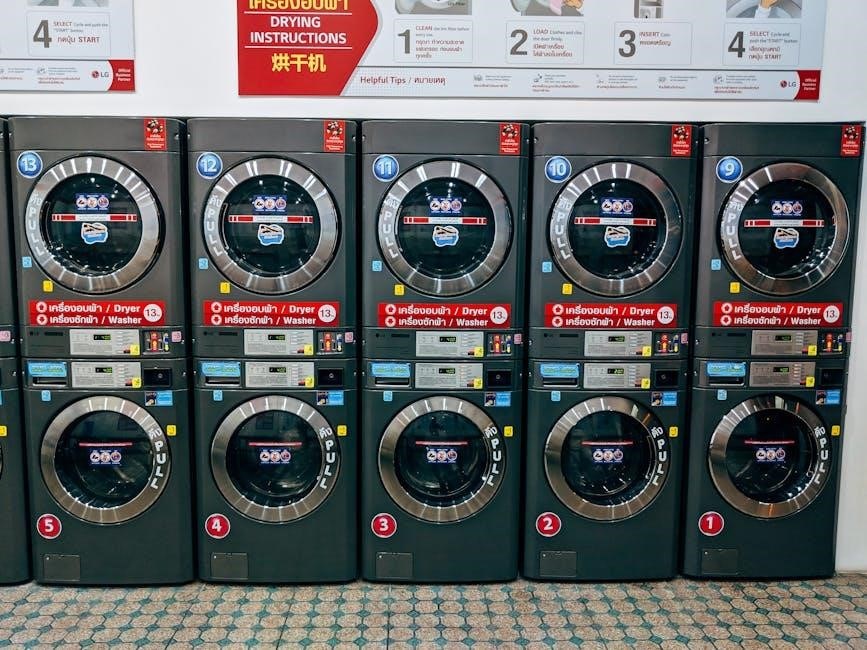
electrolux front load washer manual

Electrolux Front Load Washer Manual: A Comprehensive Guide

Electrolux provides detailed guides for IQ-Touch front-load washers, covering installation, operation, maintenance, and troubleshooting for optimal performance.

Electrolux front load washers represent a commitment to innovative laundry solutions, blending advanced technology with user-friendly design. These machines are engineered to deliver exceptional cleaning performance while prioritizing fabric care and energy efficiency. This comprehensive manual serves as your guide to understanding and maximizing the capabilities of your Electrolux washer.

From the IQ-Touch series to various model configurations, Electrolux offers a range of front load options to suit diverse needs. Key features often include specialized wash cycles, precise temperature control, and robust build quality. Before operation, carefully review the safety instructions and installation guidelines detailed within this guide to ensure proper setup and safe usage.

Understanding Your Washer Model Series

Electrolux front load washers are categorized into distinct model series, each offering a unique set of features and capabilities. Identifying your specific model series is crucial for accessing tailored support and understanding its functionalities. The series number, vital for referencing documentation, can be located on the appliance itself – typically on a label inside the door or on the rear panel.

Different series may incorporate varying technologies, such as EcoInverter motors for enhanced energy savings or IQ-Touch controls for intuitive operation. Referencing your model number on the Electrolux website (http://www.electroluxappliances.com) provides access to specific user manuals, parts diagrams, and troubleshooting resources. Understanding these nuances ensures optimal performance and longevity of your appliance.

Safety Instructions and Warnings

Electrolux prioritizes user safety. Before operating your front load washer, carefully read all provided instructions and retain them for future reference. This appliance is not intended for use by individuals with reduced physical, sensory, or mental capabilities without proper supervision or instruction. Children should be supervised to ensure they do not play with the appliance.

Crucially, the washer MUST be properly grounded to prevent electrical shock. Do not attempt to repair the appliance yourself; contact qualified service personnel. Never light any appliance for any reason. Avoid using abrasive cleaning agents, as they can damage the surfaces. Disconnect the power supply before cleaning or performing maintenance.

Important Safety Precautions

To ensure safe operation, always inspect the washer for damage before each use. Do not operate the appliance if the power cord or plug is damaged. Avoid overloading the washer, as this can affect performance and potentially cause damage. Keep the area around the washer clear of flammable materials.

Never attempt to open the door during a wash cycle, as water may be hot and cause burns. Always supervise children near the appliance. Do not insert hands into the drum while it’s rotating. If the appliance malfunctions, immediately disconnect the power and contact Electrolux support. Prioritize safety during installation and maintenance.

Electrical Grounding Requirements

The Electrolux washer MUST be properly grounded to minimize the risk of electric shock. This appliance is designed for use with a standard household electrical outlet. Do not attempt to alter the plug or bypass the grounding feature. Ensure the voltage and frequency of the power supply match the specifications on the appliance’s rating plate.

Never connect the washer to an extension cord or multi-outlet adapter. If a grounding type outlet is not available, consult a qualified electrician for installation. Improper grounding can lead to a hazardous situation. Regularly inspect the power cord for damage and replace it if necessary. Always disconnect power before any maintenance or cleaning.

Installation and Setup

Proper installation involves unpacking, leveling, and connecting the water supply and drain hose, ensuring a secure and efficient operation of your Electrolux washer.

Unpacking and Initial Inspection

Carefully unpack your new Electrolux front load washer, removing all packaging materials, including shipping bolts and foam supports. These are crucial for safe transport and must be removed before operation to prevent damage. Inspect the washer thoroughly for any visible signs of damage incurred during shipping – dents, scratches, or broken parts.

Verify that all included accessories are present, such as the drain hose, water supply hoses, and any provided manuals or documentation. Retain the packaging materials for potential future transport or warranty claims. If any damage is detected, immediately contact the retailer or Electrolux customer support. Do not attempt to operate a damaged appliance.

Positioning and Leveling the Washer

Choose a firm, level floor to position your Electrolux front load washer, capable of supporting its weight when fully loaded. Ensure adequate space around the washer for proper ventilation and access for maintenance. If installing on a plinth or stacking a washer-dryer combination, utilize the specified accessories for stability.

Use a spirit level to check the washer’s levelness. Adjust the leveling feet, located at the bottom corners, until the washer is perfectly balanced. Proper leveling minimizes vibration and noise during operation, extending the appliance’s lifespan. Securely tighten the lock nuts on the leveling feet once the desired level is achieved.

Connecting Water Supply and Drain Hose

Connect the water supply hose to a cold water faucet with a compatible thread size. Ensure the hose is securely tightened to prevent leaks. The drain hose should be positioned into a standpipe or laundry tub, maintaining the correct height as specified in the manual to facilitate proper drainage.

Avoid kinks or sharp bends in both the water supply and drain hoses, as these can restrict water flow. Regularly inspect the connections for leaks and tighten as needed. Proper installation of these hoses is crucial for efficient washer operation and preventing water damage.

Water Supply Connection Details

The Electrolux washer requires a cold water supply connection. Use a new hose set; do not reuse old ones. Ensure the water faucet has a pressure between 20 and 120 psi. Connect the inlet hose to the marked hot and cold water taps, tightening securely by hand, then using pliers for a quarter turn.

Check for leaks immediately after connection. If using a threaded pipe connection, apply Teflon tape to the threads before attaching the hose. Avoid cross-threading to prevent damage. A properly secured water supply is vital for safe and efficient operation.

Drain Hose Installation Guidelines

Proper drain hose installation prevents water damage and ensures efficient wastewater removal. The drain hose must be securely inserted into a standpipe with a diameter of at least 1.97 inches. The standpipe height should be between 30 and 96 inches from the floor.

Avoid excessive bending or kinking of the hose, as this restricts water flow. Ensure the hose is firmly clamped to prevent accidental dislodgement. Never connect the drain hose directly to a garbage disposal; use a dedicated standpipe. Regularly inspect the hose for cracks or leaks.

Operating Instructions

Electrolux washers feature intuitive controls; properly loading laundry and selecting appropriate wash cycles are key for optimal cleaning performance and fabric care.

Control Panel Overview

The Electrolux front load washer’s control panel is designed for user-friendly operation. It typically includes a digital display showcasing cycle selections, remaining time, and options. A power button initiates or cancels cycles, while a start/pause button manages operation. Cycle selection dials or touchscreens allow choosing from various wash programs like Normal, Delicates, and Quick Wash.

Option buttons adjust settings such as temperature, spin speed, and extra rinse features. Error codes displayed indicate potential issues requiring attention. The panel’s interface provides clear visual cues for each function, ensuring easy navigation and customization of wash preferences. Familiarizing yourself with these controls unlocks the full potential of your Electrolux washer.

Loading Laundry Properly

To maximize cleaning performance and protect your Electrolux front load washer, proper loading is crucial. Avoid overloading the drum; leave ample space for clothes to move freely. Distribute items evenly to maintain balance during the spin cycle, preventing excessive vibration and noise.

Always check pockets for objects like coins or keys. Delicate items should be placed in a mesh laundry bag to prevent damage. For optimal results, do not tightly pack laundry. Follow the recommended load sizes indicated in the wash cycle guide. Proper loading ensures efficient washing and extends the lifespan of your appliance.

Selecting Wash Cycles

Your Electrolux front load washer offers a variety of wash cycles tailored to different fabric types and soil levels. The Normal/Cotton Cycle is ideal for everyday cotton and linen items. For delicate fabrics like silk or lingerie, choose the Delicates/Hand Wash Cycle, which provides a gentler wash action.

Additional cycles may include options for bulky items, quick wash, or sanitize. Refer to the control panel and user manual for a complete list and descriptions of available cycles. Selecting the appropriate cycle ensures optimal cleaning and fabric care, preserving the quality of your garments.

Normal/Cotton Cycle

The Normal/Cotton Cycle on your Electrolux front load washer is designed for durable, everyday fabrics like cotton, linen, and blends. This cycle utilizes a robust wash action and appropriate water temperature to effectively remove dirt and stains from typically soiled items. It’s perfect for bed sheets, towels, and everyday clothing.

Adjustable options within this cycle allow customization for soil level and spin speed. For heavily soiled items, select a higher soil level. Always check garment care labels before using this cycle to ensure fabric compatibility and prevent damage.

Delicates/Hand Wash Cycle

The Delicates/Hand Wash Cycle is specifically engineered for fragile items requiring gentle care, such as lingerie, silk, lace, and hand-washable garments. This cycle employs a slow wash action and cool water temperatures to minimize stretching, snagging, and fading. It’s ideal for preserving the integrity of delicate fabrics.

Always place delicate items inside a mesh laundry bag for added protection during the wash cycle. Avoid overloading the washer, as this can reduce cleaning effectiveness and increase the risk of damage. Select a low spin speed to further protect delicate fabrics from excessive wrinkling.

Adjusting Wash Options

Electrolux washers offer customizable wash options to tailor each cycle to your specific laundry needs. These options allow for precise control over water temperature, spin speed, and rinse cycles. Adjusting these settings ensures optimal cleaning and fabric care.

Utilize the control panel to modify these settings before starting a wash. Experimenting with different combinations can significantly improve cleaning results and protect your garments. Remember to consider the fabric type and soil level when selecting your preferred options. Proper adjustment maximizes efficiency and extends the life of your clothes.

Temperature Selection

Electrolux front load washers provide a range of water temperature options to suit various fabric types and cleaning needs. Selecting the appropriate temperature is crucial for effective stain removal and preventing damage to your clothes. Options typically include Cold, Warm, and Hot washes.

Cold water is ideal for delicate fabrics and preventing color fading, while warm water is suitable for everyday laundry. Hot water is best for heavily soiled items and sanitizing, but may cause shrinkage. Always check garment care labels before selecting a temperature. Proper temperature selection ensures optimal cleaning and fabric preservation.

Spin Speed Control

Electrolux front load washers offer adjustable spin speeds, allowing you to customize the cycle based on fabric type and desired dryness level. Higher spin speeds extract more water, reducing drying time, but can cause more wrinkles. Lower spin speeds are gentler on delicate items, minimizing damage and wrinkling.

Press the Spin button repeatedly to cycle through available speeds. Options typically range from No Spin to Extra High Spin. For bulky items like towels or jeans, a higher spin speed is recommended. For delicate fabrics, choose a lower spin speed to prevent stretching or damage. Proper spin speed selection optimizes both cleaning and fabric care.

Extra Rinse Option

Electrolux front load washers feature an Extra Rinse option designed to thoroughly remove detergent residue from your laundry. This is particularly beneficial for individuals with sensitive skin or allergies, as residual detergent can cause irritation. Utilizing an extra rinse cycle ensures cleaner, softer clothes and minimizes potential skin reactions.

To activate the Extra Rinse option, locate the corresponding button on the control panel and select it before starting the wash cycle. The washer will automatically add an additional rinse step to the selected program. This feature enhances cleaning performance and provides peace of mind, guaranteeing a truly fresh and residue-free wash.

Maintenance and Cleaning

Regular cleaning of the detergent dispenser, drum, and filter is crucial for maintaining peak performance and extending the lifespan of your Electrolux washer.

Cleaning the Detergent Dispenser

To ensure optimal washing performance, regularly clean the detergent dispenser. Remove the dispenser drawer by pressing the release button or lever, consulting your specific model’s manual for exact location. Rinse the drawer thoroughly under warm water, removing any accumulated detergent residue or fabric softener buildup. Pay close attention to the compartments and any small openings.

For stubborn residue, use a soft brush or cloth. Avoid abrasive cleaners, as they can damage the dispenser. Inspect the dispenser housing within the washer and remove any lingering debris. Ensure all parts are completely dry before reinserting the drawer. A clean dispenser prevents clogs and ensures accurate detergent distribution, contributing to cleaner laundry and a longer-lasting appliance.

Cleaning the Drum

Maintaining a clean washer drum is crucial for preventing odors and ensuring effective cleaning. Regularly run a cleaning cycle using a washer cleaner specifically designed for front load washers, following the product’s instructions. Alternatively, you can use a cup of white vinegar added directly to the drum and run a hot water cycle.

Periodically wipe down the drum’s interior with a damp cloth to remove any visible residue or buildup. Pay attention to the rubber door gasket, cleaning it thoroughly to prevent mold and mildew growth. Leaving the door slightly ajar after each wash aids in ventilation and prevents moisture buildup, contributing to a fresher, cleaner drum.

Cleaning the Filter

The Electrolux washer filter traps lint, debris, and small objects, requiring periodic cleaning to maintain optimal performance. Locate the filter access panel, typically at the front bottom of the machine. Have a towel handy to absorb any spilled water when opening the panel. Carefully unscrew and remove the filter, cleaning it thoroughly under running water to remove all accumulated debris.

Inspect the filter housing for any obstructions and clear them as needed. Reinstall the filter securely, ensuring a watertight seal to prevent leaks. Regularly cleaning the filter—at least every few months—prevents drainage issues and prolongs the life of your washing machine.

Troubleshooting Common Issues

If your Electrolux washer isn’t draining, check the drain hose for kinks or obstructions. A clogged filter is another frequent cause; ensure it’s clean. For a washer that won’t spin, verify the load is balanced and the lid is properly closed. Consult the error codes displayed – the manual details their meanings.

Common error codes indicate specific problems, guiding you toward a solution. If issues persist, refer to the online support resources at electroluxappliances.com. Always disconnect the power before attempting any repairs. Remember safety first, and avoid attempting complex fixes without professional assistance.

Washer Not Draining

If your Electrolux front load washer isn’t draining, first inspect the drain hose for any kinks, bends, or obstructions that might be blocking the water flow. A common culprit is a clogged drain filter – locate and carefully clean it, as debris often accumulates there. Ensure the drain hose isn’t inserted too far into the drainpipe, which can cause siphoning.

Also, verify that the drainpipe isn’t clogged itself. If the problem continues, consult the manual for specific troubleshooting steps related to your model. Disconnect power before inspecting internal components. If unsure, contact a qualified technician.

Washer Not Spinning

If your Electrolux front load washer isn’t spinning, ensure the load is balanced. An unbalanced load can trigger a safety mechanism preventing spin to avoid damage. Check for excessive suds, as they can sometimes interfere with the spinning process; use the appropriate amount of detergent. Verify the lid switch is functioning correctly – the washer won’t spin if it doesn’t detect the door is closed.

Consult your manual for error codes, as these can pinpoint the issue. If the problem persists, a faulty drive motor or belt might be the cause, requiring professional repair. Always disconnect power before any inspection.

Error Codes and Their Meanings

Electrolux front load washers utilize error codes to diagnose issues. These codes, displayed on the control panel, offer valuable insights into the problem. For example, a code indicating a water supply issue suggests checking the inlet hoses and water pressure. Drainage errors signal potential clogs in the drain hose or pump filter.

Refer to your specific model’s manual for a comprehensive list of codes and their corresponding solutions. Ignoring error codes can lead to further damage. Some codes may require professional service, while others can be resolved with simple troubleshooting steps.

Additional Resources

For online support, product information, and warranty details regarding your Electrolux washer, visit http://www.electroluxappliances.com for assistance.

Accessing Online Support and Product Information

Electrolux offers a wealth of resources online to assist you with your front load washer. Visiting http://www.electroluxappliances.com provides access to detailed product manuals, frequently asked questions, and troubleshooting guides. You can also register your appliance for warranty coverage and receive important updates.

The website features helpful videos demonstrating proper usage and maintenance procedures. Should you encounter issues, the online support portal allows you to submit inquiries or connect with a customer service representative. Furthermore, you can find replacement parts and accessories directly through the Electrolux website, ensuring your washer continues to operate at peak efficiency for years to come. Don’t hesitate to utilize these valuable online tools!

Warranty Information

Electrolux front load washers are backed by a comprehensive warranty, protecting against manufacturing defects in materials and workmanship. The specific terms and duration of the warranty vary depending on the model and region, so it’s crucial to review your purchase documentation. Typically, the warranty covers parts and labor for a specified period, often one year for parts and limited lifetime for certain components like the stainless steel drum.

To ensure warranty validity, proper installation and use, as outlined in the manual, are essential. Registering your appliance online at the Electrolux website is highly recommended to streamline any potential claims. Keep your proof of purchase safe, as it will be required for warranty service.

yamaha cl5 manual

Yamaha CL5 Manual: A Comprehensive Guide

This guide provides detailed information for operating the Yamaha CL5 digital mixing console, leveraging resources like the Internet Archive for manuals and schematics.

Explore free downloads, service manuals, and support forums to master the CL5’s features, ensuring optimal performance and efficient troubleshooting for audio professionals.

The Yamaha CL5 represents a significant advancement in digital mixing console technology, offering a powerful and intuitive platform for live sound reinforcement and studio recording. This console, alongside its siblings the CL3 and CL1, has garnered a strong following within the professional audio community.

Accessing comprehensive documentation is crucial for unlocking the CL5’s full potential. Fortunately, resources like the Internet Archive provide readily available owner’s manuals for free download, borrowing, and streaming. These manuals, uploaded by users like chris85, offer invaluable insights into the console’s operation.

Understanding the CL5 requires familiarity with its core functionalities and a willingness to explore its extensive features. Whether you’re a seasoned audio engineer or a newcomer to digital mixing, this guide, coupled with the official Yamaha documentation and community support, will empower you to confidently navigate and utilize this exceptional console. Manualzz also provides access to Yamaha user and service manuals.

What is the Yamaha CL5?

The Yamaha CL5 is a digital mixing console designed for professional sound reinforcement applications. It’s positioned as a high-performance solution, bridging the gap between the more compact CL3 and the flagship CL1 models. The console boasts a robust feature set, including a high channel count, advanced processing capabilities, and a flexible routing matrix.

According to available resources, such as those found on the Internet Archive, the CL5 is often sought after by audio engineers needing a powerful yet manageable console. Free downloadable manuals, including service manuals and schematics, are available for electronics experts seeking in-depth repair information.

The CL5 distinguishes itself through its intuitive interface and streamlined workflow. It’s a versatile tool suitable for a wide range of events, from live concerts and corporate presentations to theater productions and broadcast applications. Accessing the official Yamaha CL5 manual is key to understanding its full capabilities.

Target Audience for this Manual Guide

This manual guide is specifically tailored for a diverse audience involved in professional audio production. Primarily, it’s intended for live sound engineers who operate and maintain Yamaha CL5 consoles during concerts, festivals, and other live events. Secondly, it benefits system technicians responsible for installing, configuring, and troubleshooting CL5 systems.

Furthermore, the guide is valuable for broadcast engineers utilizing the CL5 in studio or remote broadcast environments. Rental companies providing audio equipment will also find it essential for training staff and supporting clients. Resources like the Internet Archive offer supplementary materials, but this guide aims for comprehensive coverage.

Finally, even experienced users can benefit from a detailed reference, while those new to the CL5 will find it an invaluable learning tool. Understanding the console’s features, as detailed in available manuals, is crucial for maximizing its potential.

Understanding the CL5 Console

This section details the CL5’s architecture, physical layout, and core components, referencing available service manuals and schematics for a thorough understanding.

CL5 Console Overview: Physical Layout

The Yamaha CL5 boasts a meticulously designed physical layout optimized for intuitive operation during live sound reinforcement and studio recording sessions. Centrally positioned is the large-format touchscreen display, serving as the primary control hub for navigating the console’s extensive features and parameters.

Flanking the screen are dedicated sections for channel control, featuring motorized faders, rotary encoders, and assignable function keys. These controls provide tactile access to essential mixing functions, allowing for precise adjustments on the fly. Below the faders, you’ll find dedicated layers for accessing additional parameters and functions.

Connectivity is readily available on the rear panel, including ample XLR and TRS inputs and outputs, as well as digital audio interfaces like AES/EBU and MADI. The console’s robust construction and ergonomic design ensure durability and comfort during extended use. Referencing service manuals can further illuminate the internal component arrangement and signal flow.

CL5 Console Overview: Key Components

The Yamaha CL5’s core functionality revolves around several key components. The Central Processing Unit (CPU) handles all signal processing and control operations, ensuring seamless performance. The Digital Signal Processor (DSP) provides the processing power for effects, EQ, and dynamics.

Crucially, the console features a high-resolution touchscreen display for intuitive navigation and parameter control. Motorized faders offer precise, hands-on control over channel levels and mixing parameters. The Input/Output (I/O) modules facilitate connectivity with various audio sources and destinations.

Furthermore, the CL5 incorporates a robust power supply for stable operation and a sophisticated network interface for remote control and monitoring; Accessing the service manual reveals detailed schematics of these components and their interconnections, aiding in troubleshooting and repair. These elements combine to deliver a powerful and versatile mixing experience.

Powering Up and Initial Setup

Before powering on the Yamaha CL5, ensure all connections are secure – audio inputs, outputs, and network cables. Verify the correct voltage setting on the console’s power supply. Press the main power switch located on the rear panel to initiate startup.

The console will perform a self-test, displaying the Yamaha logo and loading essential system files. Once booted, the touchscreen will illuminate, presenting the main screen. Initial setup involves configuring the audio interface, selecting input sources, and setting the clock source.

Referencing the official Yamaha CL5 manual is crucial during this phase. Network configuration allows for remote control via a web browser or dedicated CL Editor software. Finally, perform a sound check to confirm proper signal flow and levels. A factory reset, detailed in the service manual, may be needed for a clean slate.

Navigating the CL5 Interface

The CL5’s intuitive touchscreen and dedicated encoders provide seamless control. Mastering the menu structure, user presets, and display functions unlocks the console’s full potential.

Explore efficient workflow through memory management and customized layouts.

Main Screen Display and Functions

The Yamaha CL5’s main screen is a high-resolution touchscreen offering a comprehensive overview of the console’s status and parameters. It dynamically displays channel information, EQ curves, dynamics processing settings, and routing configurations, providing visual feedback for precise adjustments. Users can customize the display to prioritize frequently accessed functions, enhancing workflow efficiency.

Key functions accessible directly from the main screen include channel selection, level control, panning, and monitoring; Dedicated soft keys allow for quick access to essential parameters like gate, compressor, and EQ settings. The screen also provides real-time spectrum analysis and metering, aiding in critical listening and mix optimization. Furthermore, the CL5’s interface supports multiple user profiles, allowing operators to save and recall personalized display configurations. This adaptability ensures a comfortable and efficient mixing experience for all users, regardless of their preferred workflow.

Navigating through different views and layers is intuitive, enabling quick access to complex routing and processing options.

Menu Structure and Navigation

The Yamaha CL5 employs a hierarchical menu structure, logically organized for efficient access to all console functions. Navigation is primarily achieved through the touchscreen interface, utilizing intuitive swipe and tap gestures. The main menu branches into categories such as ‘Input,’ ‘Output,’ ‘EQ,’ ‘Dynamics,’ ‘Routing,’ and ‘Utility,’ each containing relevant submenus.

Users can quickly locate specific parameters using the search function, minimizing navigation time. Dedicated physical encoders and buttons provide tactile control over frequently adjusted settings, complementing the touchscreen interface. The CL5 also supports remote control via an iPad or other compatible devices, extending navigation options. Furthermore, the console’s menu system allows for saving and recalling custom menu configurations, streamlining workflows for specific applications. This customization ensures that essential functions are readily accessible, enhancing operational efficiency.

Understanding the menu layout is crucial for unlocking the full potential of the CL5’s advanced features.

User Presets and Memory Management

The Yamaha CL5 offers extensive user preset capabilities, allowing for the storage and recall of complete console setups. Scene memory enables saving snapshots of all channel settings, EQ, dynamics, routing, and effects configurations. Users can store up to 100 scenes internally, facilitating quick transitions between different performances or applications.

Preset management is streamlined through a user-friendly interface, allowing for easy naming, loading, and overwriting of scenes. The CL5 supports USB storage for backing up and restoring scenes, ensuring data security and portability. Additionally, the console allows for the creation of libraries of user presets, categorized for efficient organization. This feature is invaluable for touring engineers or venues with diverse event requirements.

Effective preset management maximizes workflow efficiency and minimizes setup time, crucial for live sound reinforcement and recording sessions.

Mixing Functions on the CL5

The CL5 provides intuitive control over input channels, EQ, dynamics, and output routing, enabling precise audio mixing and signal processing for professional applications.

Input Channel Configuration

Configuring input channels on the Yamaha CL5 is a fundamental aspect of achieving optimal sound quality. Each channel offers extensive control, beginning with source selection and phantom power application for condenser microphones. Gain staging is crucial; carefully adjusting input gain minimizes noise and maximizes signal-to-noise ratio.

The CL5’s channel strip provides access to high-pass filters, attenuators, and polarity switches, allowing for precise signal shaping. Input patching is flexible, supporting both analog and digital sources. Users can assign channels to various input connectors and configure their routing within the console.

Furthermore, the CL5 allows for detailed channel naming and grouping, enhancing organization during complex mixes. Channel linking simplifies control of stereo pairs or similar sources. Understanding these configuration options is key to unlocking the CL5’s full mixing potential, ensuring a clean and polished audio output.

EQ and Dynamics Processing

The Yamaha CL5 boasts a powerful suite of EQ and dynamics processing tools within each input channel. Parametric EQ allows precise frequency shaping with adjustable gain, frequency, and Q-factor controls. Multiple EQ bands provide detailed tonal control, enabling users to sculpt sounds effectively.

Dynamics processing includes compressors, limiters, gates, and expanders. Compressors control dynamic range, while limiters prevent signal peaks. Gates reduce noise by silencing signals below a threshold, and expanders increase dynamic contrast.

These tools are essential for achieving a polished and professional sound. Sidechaining capabilities add further creative control, allowing external signals to influence dynamics processing. Mastering these features unlocks the CL5’s potential for shaping audio with clarity, punch, and finesse, resulting in a refined and impactful mix.

Output Routing and Matrix Mixing

The Yamaha CL5 offers extensive output routing capabilities, allowing signals to be sent to various destinations with flexibility. Direct outputs are available for each channel, alongside main outputs and auxiliary sends. Matrix mixing is a core feature, enabling complex signal distribution to multiple outputs simultaneously.

Users can create custom mixes tailored to specific needs, such as front-of-house, monitors, or broadcast feeds. The CL5’s matrix mixer allows for sophisticated signal blending and level control. Routing is visually managed through the console’s interface, simplifying complex configurations.

This system ensures precise control over signal flow, optimizing sound reinforcement and distribution. Advanced routing options include subgrouping and VCA control, further enhancing mixing possibilities. Mastering output routing and matrix mixing unlocks the CL5’s full potential for diverse audio applications.

Advanced CL5 Features

Unlock the CL5’s power with DCAs, VCAs, and sophisticated effects processing. Explore scene memory recall for seamless transitions and complex show control capabilities.

DCA Groups and VCA Control

Digital Control Associates (DCAs) offer powerful grouping functionality within the Yamaha CL5, allowing engineers to manage multiple channels simultaneously. Assigning channels to DCAs enables control over volume, pan, and other parameters with a single fader, streamlining complex mixes. This is particularly useful for controlling drum groups, vocal sections, or any collection of related sources.

Voltage Controlled Amplifiers (VCAs) provide another layer of control, offering precise and consistent gain reduction. Unlike DCAs, VCAs directly affect the signal path, allowing for dynamic control and automation. The CL5 seamlessly integrates DCAs and VCAs, providing a flexible system for managing gain staging and overall mix dynamics. Users can assign VCAs to faders for hands-on control or automate them using scene memory.

Mastering these features unlocks efficient workflow and precise control over even the most intricate audio productions. Effective use of DCAs and VCAs is crucial for achieving a polished and professional sound.

Effects Processing: Types and Parameters

The Yamaha CL5 boasts a comprehensive suite of onboard effects, catering to a wide range of mixing needs. These include reverbs, delays, compressors, equalizers, and various creative effects like chorus and flanger. Each effect type offers a detailed set of adjustable parameters, allowing for precise sculpting of the sound.

Reverb parameters encompass pre-delay, decay time, diffusion, and EQ. Delays offer control over feedback, delay time, and modulation. Compressors feature threshold, ratio, attack, and release settings for dynamic control. The CL5 allows for flexible routing of effects, enabling sends and returns on individual channels or groups.

Users can save custom effect settings as presets for quick recall, streamlining workflow. Experimentation with these parameters is key to unlocking the full potential of the CL5’s effects processing capabilities, achieving professional-quality mixes.

Scene Memory and Recall

The Yamaha CL5’s scene memory functionality is a powerful tool for managing complex setups and facilitating quick changes during live performances or studio sessions. Scenes store all console settings, including channel EQ, dynamics, routing, effects, and monitor mixes. This allows users to instantly recall entire configurations with a single touch.

The CL5 supports a large number of scene memories, providing ample storage for diverse setups. Users can save, load, and overwrite scenes as needed. Scene recall can be triggered manually or via MIDI, enabling integration with external control surfaces or automation systems. Furthermore, the console offers scene compare, allowing for detailed examination of differences between scenes.

Proper scene management is crucial for efficient operation, ensuring seamless transitions between songs or acts. Utilizing this feature significantly reduces setup time and minimizes the risk of errors during critical moments.

Troubleshooting the Yamaha CL5

This section details common CL5 issues, error message interpretations, and factory reset procedures, drawing from service manuals and online support resources for swift resolution.

Common Issues and Solutions

Audio dropouts are frequently reported, often stemming from network configuration problems or insufficient processing power; verify Dante settings and optimize channel processing loads.

USB connectivity issues can arise, requiring updated drivers and ensuring proper USB port selection on both the CL5 and connected computer. Regularly check Yamaha’s support website.

Display glitches sometimes occur, and a simple console reboot often resolves them; however, persistent issues may indicate a hardware fault needing professional attention.

Unexpected scene recall behavior can be traced to corrupted user presets or incorrect scene memory settings; carefully review and rebuild scenes if necessary.

Dante audio routing problems are common, necessitating meticulous examination of Dante Controller settings and CL5’s input/output assignments. Consult the Yamaha documentation.

Firmware update failures can brick the console; always follow the official update procedure precisely and ensure a stable power supply throughout the process.

Error Messages and Their Meanings

“Dante Hold” indicates a disruption in the Dante network, requiring investigation of network cabling and device synchronization within Dante Controller.

“CPU Overload” signifies excessive processing demands; reduce the number of active effects, EQ bands, or dynamic processing instances on channels.

“Memory Protect” suggests a write-protected memory area, preventing scene saving or preset modification; check memory card lock settings.

“I/O Error” points to a problem with input/output connections or card functionality; inspect cabling and verify card installation.

“FW Update Error” signals a failed firmware update; retry the update process following the official Yamaha procedure, ensuring a stable power supply.

“Offline” displayed on a network port indicates a loss of network connectivity; verify network settings and cable connections. Consult the Yamaha CL5 manual for detailed troubleshooting steps related to each error code.

Factory Reset Procedures

Performing a factory reset on the Yamaha CL5 restores all settings to their original defaults, erasing user data. Caution: This action is irreversible without backups.

To initiate, navigate to the “System Settings” menu, then select “Reset.” Choose “Factory Reset” and confirm the operation. The console will reboot with default parameters.

Alternatively, a deeper reset can be achieved via USB memory. Download the reset file from the Yamaha website and place it on a formatted USB drive. Insert the drive and power on the CL5; it will automatically detect and apply the reset.

Before resetting, back up all critical scenes and settings to a USB drive or computer. Refer to the official Yamaha CL5 manual for detailed instructions and safety precautions. Always ensure a stable power supply during the reset process.

CL5 Manual Resources & Downloads

Access official Yamaha manuals, schematics, and support forums via the Internet Archive and Yamaha’s website for comprehensive CL5 operation and repair information.

Official Yamaha CL5 Manual Download Links

Yamaha provides several avenues for accessing the official CL5 manual, ensuring users have the most accurate and up-to-date information. Begin your search on the official Yamaha Pro Audio website; navigate to the support section and specifically search for the CL5 digital console.

Direct download links are often available in PDF format, offering a comprehensive guide to all aspects of the CL5’s operation. The Internet Archive also hosts archived versions of the manual, providing a valuable backup resource and access to potentially older revisions.

Furthermore, authorized Yamaha dealers may also provide links or copies of the manual. Always prioritize downloading from official sources to avoid potentially inaccurate or outdated information. Regularly check the Yamaha website for updates and revisions to the CL5 manual, ensuring you are utilizing the latest documentation for optimal performance and troubleshooting.

Third-Party Manuals and Support Forums

Beyond official Yamaha resources, a vibrant community of CL5 users contributes to a wealth of third-party manuals and support forums. The Internet Archive serves as a repository for user-contributed documentation, including potentially helpful guides and supplementary materials.

Dedicated audio engineering forums, such as those found on Gearspace and Reddit’s r/livesound, offer platforms for users to share knowledge, troubleshoot issues, and discuss best practices for the CL5. These forums often contain detailed discussions, user-created tutorials, and solutions to common problems.

However, exercise caution when utilizing third-party resources; verify information against official Yamaha documentation whenever possible. While community support can be invaluable, prioritize accuracy and reliability to ensure optimal CL5 operation and avoid potential misconfigurations. These resources complement, but do not replace, the official manual.

Service Manual and Schematics Availability

For qualified electronics technicians, the Yamaha CL5 service manual provides in-depth schematics, component layouts, and troubleshooting procedures. Access to this documentation is crucial for complex repairs and maintenance beyond user-level adjustments. Information available online indicates that the CL5 service manual, along with repair information, can be found through specialized electronics resource websites.

However, obtaining the service manual often requires a paid subscription or purchase, as it’s intended for professional use. Schematics detail the console’s internal wiring and electronic pathways, enabling precise fault diagnosis and component-level repairs.

It’s important to note that working with the internal components of the CL5 should only be undertaken by trained personnel due to the risk of electrical shock and potential damage to the console. Improper repairs can void warranties and compromise the console’s functionality.

honeywell th5110d1022 manual

Honeywell TH5110D1022 Manual: A Comprehensive Guide

This guide unlocks the full potential of your Honeywell Th5110D1022 thermostat, detailing features and functionalities; PDF manuals are readily available upon request, alongside Comfortstar error code listings.

The Honeywell TH5110D1022 is a popular thermostat within the Pro 1000 series, designed for reliable and efficient home climate control. Often, manufacturers like Honeywell are moving away from including physical paper manuals with their products, instead offering convenient PDF versions available upon request. This thermostat is frequently mentioned alongside models like the TH5110D1006, TH5220D1003, and TH5320U1001, indicating a common platform and functionality.

Understanding this thermostat requires access to its manual, which details everything from basic operation – setting temperatures – to advanced programming features like scheduling and vacation modes. The manual also provides crucial troubleshooting information, including a comprehensive list of Comfortstar error codes, essential for diagnosing and resolving issues with your HVAC system. This guide aims to help you navigate the features and ensure optimal performance of your Honeywell thermostat.

Understanding the Pro 1000 Series

The Honeywell Pro 1000 series represents a line of thermostats focused on providing dependable and user-friendly temperature management for residential properties. The TH5110D1022 is a key model within this series, sharing core functionalities with others like the TH5110D1006, TH5220D1003, and TH5220D1029. This commonality means many troubleshooting steps and programming concepts are transferable between these units.

A significant aspect of the Pro 1000 series is Honeywell’s shift towards digital manuals. While paper copies are becoming less common, comprehensive PDF manuals are readily accessible, detailing everything from initial setup to advanced scheduling. These manuals are vital for understanding the thermostat’s interface, interpreting Comfortstar error codes, and maximizing energy efficiency. The series emphasizes ease of use, making climate control accessible to a wide range of homeowners.

Key Features and Benefits

The Honeywell TH5110D1022 thermostat boasts several key features designed for convenience and energy savings. These include programmable scheduling, allowing customized temperature settings for different times of the day and week. Temporary and permanent hold functions provide flexibility, overriding schedules when needed. Vacation Mode further enhances energy conservation during extended absences.

Beyond basic control, the Pro 1000 series, including the TH5110D1022, offers clear error code reporting – utilizing Comfortstar codes – to simplify troubleshooting. Access to detailed PDF manuals ensures users can quickly diagnose and resolve common issues. The thermostat’s compatibility with various HVAC systems adds to its versatility. Ultimately, the benefits center around improved comfort, reduced energy consumption, and a user-friendly experience, backed by Honeywell’s established reputation for quality and reliability.

Display and Interface Overview

The Honeywell TH5110D1022 thermostat features a clear, easy-to-read display presenting current temperature, setpoint, and operational status. The interface utilizes a straightforward button layout for intuitive navigation through menus and settings. While many manufacturers now omit paper manuals, a comprehensive PDF manual is readily available for download, detailing each display element and control function.

Users can expect to find indicators for heating, cooling, and fan operation. The display also communicates system status through error codes, referencing the Comfortstar code system for troubleshooting. The interface allows for easy programming of schedules, setting temporary holds, and activating vacation mode. The design prioritizes simplicity, ensuring users can quickly understand and adjust settings without needing extensive manual consultation, though the manual is a valuable resource.

Basic Operation: Setting Temperature

Adjusting the temperature on your Honeywell TH5110D1022 thermostat is a simple process. Utilize the up and down arrow buttons on the interface to increase or decrease the desired setpoint. The current room temperature is prominently displayed, allowing for easy comparison. The system will automatically engage heating or cooling to reach and maintain the selected temperature, based on your programmed system settings.

Refer to the downloadable PDF manual for detailed instructions and troubleshooting tips. Understanding the display indicators – heating, cooling, and fan status – is crucial for confirming proper operation. Remember that temporary and permanent holds can override programmed schedules. Should you encounter any issues, consult the Comfortstar error code list within the manual to diagnose and resolve common problems. Honeywell prioritizes user-friendly operation, but the manual provides comprehensive guidance.

Programming Your Thermostat

The Honeywell TH5110D1022 allows for customized temperature scheduling, optimizing comfort and energy savings. Access the programming mode through the thermostat’s interface, typically involving a ‘Menu’ or ‘Program’ button. You can then define different temperature settings for various periods throughout the day – wake, leave, return, and sleep – tailoring the climate to your lifestyle.

The downloadable PDF manual provides a step-by-step guide to programming, including options for weekday/weekend schedules. Remember to save your changes after each adjustment. Utilizing schedules effectively minimizes energy consumption. If you encounter difficulties, the manual’s troubleshooting section and Comfortstar error codes can assist in resolving programming issues. Honeywell’s design emphasizes intuitive control, but the manual offers detailed support for maximizing your thermostat’s capabilities.

Setting a Schedule

Creating a schedule with your Honeywell TH5110D1022 thermostat is key to energy efficiency and personalized comfort. The Pro 1000 series, including models like the TH5110D1022, allows you to program different temperatures for various times of the day. Typically, you’ll define settings for ‘Wake,’ ‘Leave,’ ‘Return,’ and ‘Sleep’ periods.

The manual (available as a PDF download) details how to navigate the programming menus. You can often set separate schedules for weekdays and weekends. Consider your daily routine when setting temperatures – lower temperatures while away or asleep. Refer to the manual’s instructions for saving your schedule. If issues arise, consult the Comfortstar error codes section for troubleshooting. A well-configured schedule maximizes the benefits of your Honeywell thermostat, reducing energy bills and enhancing your home’s climate control.

Temporary and Permanent Holds

The Honeywell TH5110D1022 thermostat offers both temporary and permanent ‘Hold’ functions, providing flexibility in temperature control. A temporary hold overrides the programmed schedule for a specified duration, reverting back automatically afterward. This is ideal for short-term deviations from your routine, like an unexpected evening at home.

A permanent hold, however, maintains the set temperature indefinitely, disregarding the programmed schedule until manually canceled. The user manual (accessible as a PDF) details how to activate each hold type. Remember to consult the manual if you encounter any issues, referencing Comfortstar error codes for potential troubleshooting. Understanding the difference between these hold options allows for precise temperature management, optimizing comfort and energy savings. Always refer to the official documentation for accurate instructions.

Vacation Mode Configuration

The Honeywell TH5110D1022’s Vacation Mode is designed for extended absences, maintaining a lower, energy-saving temperature while you’re away. Activating this mode overrides the regular programming, ensuring efficient operation during your vacation. The manual, available as a PDF download, provides step-by-step instructions on configuring the desired vacation temperature and the duration of the mode.

This feature prevents freezing pipes in colder climates and minimizes energy consumption. Upon your return, simply deactivate Vacation Mode to resume the normal programmed schedule. Should any issues arise, consult the manual for troubleshooting tips and Comfortstar error code explanations. Proper configuration, as detailed in the documentation, guarantees optimal performance and peace of mind during your travels. Remember to check compatibility with your HVAC system.

Troubleshooting Common Issues

Encountering problems with your Honeywell TH5110D1022 thermostat? The comprehensive manual, accessible as a PDF, offers solutions to frequent issues. Common concerns include display malfunctions, inaccurate temperature readings, or the system failing to respond. Often, a simple reset can resolve these problems – instructions are clearly outlined in the documentation.

If issues persist, refer to the Comfortstar error code section within the manual. These codes pinpoint specific malfunctions within your HVAC system, aiding in diagnosis. Remember that many manufacturers don’t include paper manuals, making the downloadable PDF invaluable. For more complex problems, online resources and Honeywell support are available. Always prioritize safety and, if unsure, consult a qualified HVAC technician. The manual is your first line of defense!

Error Codes and Their Meanings (Comfortstar Codes)

Decoding Comfortstar error codes is crucial for diagnosing issues with your Honeywell TH5110D1022 thermostat and connected HVAC system. The manual provides a detailed list, specifying the meaning of each code and potential solutions. These codes, often indicated by the operation lamp flashing a specific number of times, pinpoint the source of the problem – whether it’s a sensor failure, communication error, or other malfunction.

Understanding these codes empowers you to troubleshoot effectively, potentially avoiding costly service calls. The documentation details how to interpret these signals, guiding you towards the appropriate corrective action. Remember to consult the manual’s PDF version for the most up-to-date code list, as variations may exist. Accurate interpretation is key to restoring optimal system performance.

Resetting the Thermostat

Resetting your Honeywell TH5110D1022 thermostat can resolve minor operational glitches and restore it to factory default settings. This process effectively clears the programmed schedule and preferences, returning the thermostat to its initial state. Before resetting, consider noting your current settings to simplify reprogramming afterward. The manual outlines specific steps, typically involving accessing the thermostat’s menu through the interface.

A reset can be beneficial when experiencing unexplained behavior or after making significant changes to your HVAC system. However, remember that a full reset will erase all personalized configurations. If issues persist after a reset, consult the troubleshooting section or seek professional assistance. Always refer to the official PDF manual for precise instructions tailored to your specific model.

Technical Specifications

The Honeywell TH5110D1022 thermostat boasts a range of technical specifications designed for efficient home climate control. While detailed specifications aren’t explicitly listed in readily available snippets, it’s understood to be part of the Pro 1000 series. This series generally supports single-stage heating and cooling systems, and is compatible with various HVAC setups.

The thermostat operates on standard power requirements, often utilizing batteries as a backup. It features a clear display for temperature readings and settings. The device is designed for user-friendly operation, offering programmable schedules and temperature holds. Further technical details, including voltage requirements and wiring configurations, are comprehensively documented within the official Honeywell TH5110D1022 manual PDF. Refer to the manual for precise specifications and compatibility information.

Power Requirements and Battery Information

The Honeywell TH5110D1022 thermostat typically operates using a combination of household power and battery backup. While specific voltage requirements are detailed in the official manual, it generally functions with standard 24VAC HVAC systems. The primary power source is supplied by the HVAC system itself, ensuring continuous operation during normal conditions.

However, to safeguard against power outages and maintain thermostat functionality, the TH5110D1022 incorporates battery power. The type and quantity of batteries needed (typically AA alkaline batteries) are specified within the product documentation; Battery life varies depending on usage and environmental factors. Regularly checking and replacing batteries is recommended to prevent loss of settings and ensure uninterrupted climate control. Consult the manual for detailed battery replacement instructions.

Compatibility with HVAC Systems

The Honeywell TH5110D1022 thermostat is designed for broad compatibility with a range of HVAC systems, but verifying specific compatibility is crucial before installation. Generally, it supports 24VAC heating and cooling systems, including forced air, heat pump, and conventional furnace setups. However, compatibility with millivolt systems or proprietary communication protocols may be limited.

The thermostat is often listed alongside models like TH5110D1006, TH5220D1003, and TH5320U1001, suggesting a common platform with varying features. It’s essential to consult the official Honeywell documentation or a qualified HVAC technician to confirm compatibility with your existing system. Factors like wiring configurations and system controls must align for proper operation. Incorrect installation can lead to malfunctions or damage to both the thermostat and the HVAC equipment.

Honeywell Brand Overview

Honeywell is a globally recognized, Fortune 500 company with a rich history dating back to 1885. Originating as an instrument production enterprise in the United States, Honeywell has consistently demonstrated a commitment to innovative technologies and strong leadership. The company’s legacy is built upon creative personnel and a dedication to excellence, establishing it as a world-leading corporation.

Beyond thermostats like the TH5110D1022, Honeywell boasts a diverse product range encompassing HVAC equipment, controls, actuators, and sensors. They also manufacture formaldehyde detectors and lighting solutions. This broad portfolio reflects Honeywell’s commitment to providing comprehensive solutions for home comfort and safety. Choosing Honeywell signifies selecting a reputable brand known for reliability, performance, and robust customer support, backed by decades of industry experience.

History and Reputation of Honeywell

Founded in 1885, Honeywell’s enduring success stems from a foundation of inventive technology and exceptional leadership. The company’s evolution involved merging with AlliedSignal, building upon the strengths of both entities to become a global powerhouse. This historical trajectory has solidified Honeywell’s position as a trusted and respected brand worldwide.

Honeywell’s reputation is built on consistently delivering high-quality products, including the TH5110D1022 thermostat. Their commitment extends beyond manufacturing; they offer comprehensive support and readily available documentation, like PDF manuals, upon request. Positive user feedback, particularly regarding products like Honeywell formaldehyde removal agents, highlights their dedication to customer satisfaction. Choosing Honeywell means selecting a brand with a proven track record and a commitment to innovation and reliability.

HVAC Equipment and Product Range

Honeywell offers a vast portfolio of HVAC equipment, encompassing thermostats, controls, actuators, and sensors. This extensive range caters to diverse heating and cooling needs, from residential to commercial applications. The TH5110D1022 thermostat is a key component within their Pro 1000 series, known for its user-friendly interface and reliable performance.

Beyond thermostats, Honeywell provides solutions for mini-split air conditioning systems, with detailed error code documentation available to aid in troubleshooting. Their product listings include specific codes like th5110d1006, th5110d1022, th5220d1003, and th5320u1001, demonstrating the breadth of their offerings. Furthermore, Honeywell’s expertise extends to air quality monitoring, exemplified by their formaldehyde detection instruments, showcasing a commitment to comprehensive indoor environmental control.

Finding and Downloading the Manual (PDF)

Accessing the Honeywell TH5110D1022 manual in PDF format is straightforward, though often not physically included with the product. Most manufacturers now prioritize digital distribution, making a PDF manual readily available upon request. Numerous online resources host these documents, offering convenient downloads for owners seeking guidance on installation, operation, and troubleshooting.

Several listings reference the availability of a PDF manual for the TH5110D1022 and related models (th5110d1006, th5220d1003, etc.). Searching online using the specific model number will yield direct links to downloadable files. Additionally, contacting Honeywell directly through their support channels can secure a copy. Remember to verify the source to ensure you are obtaining a legitimate and up-to-date version of the manual for optimal use and safety.

Requesting a Manual from Honeywell

If you require a physical or digital copy of the Honeywell TH5110D1022 manual directly from the source, contacting Honeywell’s customer support is the recommended approach. Given that many modern HVAC products no longer include printed manuals, requesting a PDF version is a common practice. Honeywell readily provides these upon request, ensuring users have access to essential documentation.

You can typically initiate this request through Honeywell’s official website, navigating to their support section and searching for the TH5110D1022 model. Alternatively, their customer service hotline offers a direct channel for assistance. Be prepared to provide the model number for swift processing. While price protection isn’t generally offered, obtaining the manual itself is usually a straightforward and complimentary service, guaranteeing you have the necessary information for your thermostat.

Online Resources and Support

Numerous online platforms offer support and resources for the Honeywell TH5110D1022 thermostat, supplementing the official manual. Beyond Honeywell’s website, various forums and communities dedicated to HVAC systems host discussions and troubleshooting advice specific to the Pro 1000 series. Websites specializing in appliance manuals frequently archive PDF versions of the TH5110D1022 documentation, providing convenient access.

Furthermore, exploring online retailers that sell the thermostat often yields links to downloadable manuals and support materials. Remember to verify the source’s credibility before downloading any files. Resources detailing Comfortstar error codes are also widely available online, aiding in diagnosing potential issues. These collective online resources empower users to independently resolve common problems and maximize their thermostat’s functionality.

genie 3024 manual

Genie 3024 Manual: A Comprehensive Guide

Genie 3024 manuals offer essential safety rules, operation guides, pre-start checks, and maintenance—accessing them is now easier than ever online!

The Genie 3024 garage door opener represents a reliable and innovative solution for residential access. This manual serves as a comprehensive resource, guiding users through installation, operation, maintenance, and troubleshooting procedures. Understanding your Genie 3024 is crucial for ensuring safe and efficient performance. It’s designed for ease of use, incorporating features like remote controls and safety reversal systems.

This guide details everything from mounting the power head to programming travel limits and interpreting LED indicators. Accessing the correct manuals – programming, operation, and maintenance – is vital. Genie provides dedicated support and FAQs, alongside a smart parts lookup system for genuine components. Proper use extends the lifespan and optimizes the functionality of your opener.

Safety Precautions and Warnings

Genie 3024 operation demands strict adherence to safety guidelines. Always disconnect power before maintenance or repairs to prevent electrical shock. Never allow children to operate the opener or play near the door. Regularly inspect the door’s balance and springs – a malfunctioning door can cause serious injury.

Ensure the safety reversal system functions correctly by testing it monthly. Do not operate the opener if damaged or improperly adjusted. Refer to the manual for pre-operation inspection procedures. Improper installation or modification voids warranties and compromises safety. Prioritize safety; consult a qualified technician for complex repairs or adjustments.

Understanding the Genie 3024 Components

The Genie 3024 system includes a power head, rail system, remote controls, and wall buttons—each component plays a vital role in operation.

Power Head and Motor Unit

The Genie 3024’s power head houses the motor responsible for driving the garage door. It’s crucial to understand the LED indicators for troubleshooting; a round LED and a long LED provide diagnostic information. These indicators can display OFF, ON/RED, STEADY ON/RED, or FLASHING states, each signaling a specific issue.

Common problems like the door starting on its own, noisy operation, or slow movement can often be traced back to the power head or motor unit. The troubleshooting guide within the manual details how to interpret these LED signals to pinpoint the source of the problem. Regular inspection and maintenance of this unit are vital for optimal performance and longevity, ensuring smooth and reliable garage door operation.

Rail System and Hardware

The Genie 3024 rail system guides the power head along the garage door’s path. Proper assembly and alignment are critical during installation, ensuring smooth and efficient operation. Hardware components, including brackets and rollers, must be securely fastened and regularly inspected for wear and tear.

Any misalignment or loose hardware can contribute to noisy operation or slow movement, issues addressed in the manual’s troubleshooting section. Maintaining the rail system involves checking for obstructions and lubricating moving parts. A well-maintained rail system is fundamental to the overall performance and safety of the Genie 3024 garage door opener, preventing potential malfunctions.

Remote Controls and Wall Buttons

Genie 3024 remote controls and wall buttons provide convenient access to operate your garage door. The manual details programming procedures for both, allowing users to easily pair devices with the power head. Understanding the functions of each button – open, close, and stop – is crucial for safe operation.

Troubleshooting sections address common issues like unresponsive remotes or buttons, often related to battery life or programming errors. The manual emphasizes the importance of keeping remote controls secure to prevent unauthorized access. Proper use and maintenance of these control systems ensure reliable and secure operation of your Genie 3024 opener.

Installation and Setup

Proper Genie 3024 installation involves mounting the power head, assembling the rail system, and carefully connecting the door while adjusting travel limits.

Mounting the Power Head

Securely mounting the Genie 3024 power head is crucial for safe and reliable operation. Begin by selecting a sturdy mounting surface capable of supporting the unit’s weight and resisting vibrations. Ensure adequate clearance around the power head for maintenance and adjustments.

Carefully position the power head, aligning it with the rail system. Utilize appropriate hardware – typically lag screws and washers – to firmly attach the power head to the mounting surface. Double-check that all fasteners are tightened to the manufacturer’s specified torque.

Verify the power head is level and properly aligned before proceeding. Incorrect mounting can lead to operational issues and potential damage. Always consult the full manual for detailed diagrams and specific instructions related to your installation scenario.

Rail Assembly and Alignment

Proper rail assembly and alignment are fundamental to the smooth and efficient operation of your Genie 3024. Begin by carefully assembling the rail sections, ensuring secure connections using the provided hardware. Pay close attention to any curves or angles specified in the manual.

Once assembled, mount the rail securely to the ceiling or walls, maintaining a consistent and level path. Precise alignment is critical; any deviations can cause binding or erratic door movement. Use a level to verify horizontal and vertical alignment throughout the rail’s length.

Double-check all connections and supports for stability. A wobbly or misaligned rail will compromise performance and potentially damage the opener. Refer to the manual’s diagrams for correct rail configuration and support spacing.

Connecting the Door and Adjusting Travel Limits

After rail installation, connect the door to the Genie 3024’s carriage using the appropriate arm. Ensure a secure attachment, following the manual’s instructions precisely. Incorrect connection can lead to door detachment or opener malfunction.

Next, adjust the travel limits – up and down – to define the door’s open and closed positions. This prevents over-travel, which could damage the door or opener. Utilize the limit adjustment screws, making small, incremental changes while observing the door’s movement.

Test the limits thoroughly after each adjustment. Accurate travel limits are crucial for safe and reliable operation. Refer to the manual for detailed guidance on limit setting procedures and troubleshooting any issues.

Operation and Programming

Genie 3024 operation involves remote control usage and programming travel limits for customized door movement, ensuring safety and convenience for the user.

Using the Remote Controls

The Genie 3024 remote controls provide convenient operation of your garage door. Ensure the remote has fresh batteries for optimal performance. To operate, simply press the corresponding button – typically, one button for open, one for close, and one for stop.

Programming a new remote or replacing a lost one requires accessing the learn mode on the power head. Refer to the manual for specific button sequences to initiate this process. Multiple remotes can be programmed to work with a single Genie 3024 unit, offering flexibility for family members or different vehicles. Always test the remote after programming to confirm functionality. Keep remotes away from excessive moisture and direct sunlight to prolong battery life and ensure reliable operation.

Programming Travel Limits

Correctly programming travel limits on your Genie 3024 is crucial for safe and efficient operation. These limits define how far the door opens and closes, preventing over-travel and potential damage. The process involves using the adjustment buttons on the power head unit, typically labeled “Up” and “Down,” while observing the door’s movement.

Refer to the manual for the precise button sequence to enter programming mode. Adjust the “Up” limit to ensure the door opens to the desired height, and the “Down” limit to fully close the door without strain. Test the limits thoroughly after each adjustment. Incorrectly set limits can lead to operational issues or safety hazards, so careful attention to detail is essential during this process.

Safety Reversal System Testing

The Genie 3024’s safety reversal system is a vital feature, designed to prevent the door from closing on obstructions. Regular testing is paramount to ensure its functionality. To test, place a one-inch-high object in the door’s path. Activate the door’s closing sequence.

The door should immediately stop and reverse direction upon contact with the object. If the door fails to reverse, do not use the opener. Consult the manual for troubleshooting steps, potentially involving sensor adjustment or professional service. A properly functioning reversal system protects people, pets, and property from potential harm. Prioritize this test for continued safe operation.

Maintenance and Troubleshooting

Regular upkeep and addressing common issues—like unexpected starts, noise, or slow operation—are crucial for your Genie 3024’s longevity and performance.

Regular Maintenance Schedule

To ensure optimal performance and longevity of your Genie 3024 garage door opener, a consistent maintenance schedule is vital. Monthly inspections should include checking the track for obstructions and ensuring smooth movement of the door. Lubricate the moving parts, such as rollers, hinges, and the chain or belt, with a suitable lubricant.

Every six months, tighten all bolts and fasteners. Annually, thoroughly inspect the safety reversal system to confirm it’s functioning correctly. Examine the remote controls and wall buttons for proper operation, replacing batteries as needed. A visual inspection of the power head and motor unit for any signs of wear or damage is also recommended. Following this schedule will help prevent unexpected issues and maintain the reliability of your Genie opener.

Troubleshooting Common Issues (Door starts for no reason, Noisy operation, Slow operation)

If your Genie 3024 door opener starts unexpectedly, check for signal interference or a stuck remote control button. Noisy operation often indicates a need for lubrication of rollers, hinges, or the chain/belt drive. Inspect for loose hardware and tighten as needed. For slow operation, verify the travel limits are correctly set and that there are no obstructions in the door’s path.

Consult the LED indicator guide – a flashing or steady red light can pinpoint the problem. If issues persist, review the programming instructions or contact Genie support for assistance. Remember safety first – disconnect power before any internal inspection.

LED Indicator Guide (Round LED, Long LED ─ OFF, ON/RED, STEADY ON/RED, FLASHING)

The Genie 3024 utilizes LED indicators for diagnostics. A Round LED OFF signifies normal operation. Round LED ON/RED indicates a safety sensor issue – check alignment and wiring. A STEADY ON/RED Round LED suggests a motor overload or overheat condition; allow cooling. FLASHING Round LED signals a limit switch adjustment needed.

For the Long LED, OFF means no power. ON/RED indicates a logic error. STEADY ON/RED suggests a stalled motor. FLASHING Long LED signals a sensor issue. Refer to the full manual for detailed explanations and corresponding troubleshooting steps based on these LED states.

Genie 3024 Parts and Accessories

Find genuine Genie parts, accessories, and service tools quickly using the Serial Number Smart Parts Lookup System for your 3024 opener.

Genuine Genie Parts Lookup

Locating the correct replacement parts for your Genie 3024 is streamlined with the Genie Serial Number Smart Parts Lookup System. This innovative tool ensures you identify and order precisely what you need, avoiding compatibility issues and delays. Simply enter your opener’s serial number – a quick and easy process – and the system instantly displays a comprehensive list of compatible parts.

This includes everything from belts and springs to logic boards and remote controls. The system is designed for fast clicks, getting you closer to the parts you require. Ordering is also simplified, connecting you directly to authorized Genie parts distributors. Ensure optimal performance and longevity of your Genie 3024 by using only genuine Genie replacement parts.

Available Accessories

Enhance the functionality and convenience of your Genie 3024 garage door opener with a range of available accessories. These include additional remote controls for family members or vehicles, wall-mounted buttons for interior access, and safety sensors to protect against accidental closures. Consider a battery backup system to ensure operation during power outages, providing peace of mind and continued access to your garage.

Genie also offers smart home integration accessories, allowing you to control your opener via smartphone or voice commands. Explore options like motion sensors for automatic opening and vacation locks for added security. Genuine Genie accessories are designed for seamless compatibility and optimal performance with your 3024 opener.

Genie Lift Connect / Telematics

Genie Telematics provides quick access to support, FAQs, and technical assistance for all Genie products, ensuring optimal performance and troubleshooting.

Understanding Genie Telematics

Genie Lift Connect, or Genie Telematics, represents a significant advancement in fleet and equipment management for Genie products, including those like the 3024. This system allows users to remotely monitor equipment status, location, and utilization data. It’s designed to enhance operational efficiency, reduce downtime, and improve overall productivity.

Through a user-friendly interface, Genie Telematics provides valuable insights into machine health, enabling proactive maintenance scheduling and minimizing unexpected repairs. Accessing this data empowers fleet managers to make informed decisions, optimize resource allocation, and ensure equipment is operating at peak performance. The system also offers geofencing capabilities and alerts for unauthorized usage, bolstering security and preventing theft. Ultimately, Genie Telematics streamlines operations and maximizes the return on investment for Genie equipment.

Accessing Support and FAQs

Genie provides comprehensive support resources for the 3024 and all its products, ensuring customers have access to assistance when needed. A dedicated team is available to address technical and service inquiries, offering expert guidance and solutions. Recognizing the value of self-service, Genie has created a readily accessible online platform featuring frequently asked questions (FAQs).

This FAQ section provides quick answers to common issues, troubleshooting tips, and operational guidance, empowering users to resolve problems independently. Furthermore, Genie’s website facilitates easy access to genuine parts, accessories, and service tools through the Serial Number Smart Parts Lookup System. This streamlined approach ensures customers can efficiently find and order the components required for maintenance and repairs, minimizing downtime and maximizing equipment lifespan.

classic car owner manuals

Classic car owner manuals are vital resources, offering original insights into vehicle operation and maintenance. They bridge the gap between past and present automotive understanding.

The Importance of Original Manuals

Original classic car owner manuals represent a direct link to the vehicle’s initial design and intended operation. They aren’t simply guides; they embody the manufacturer’s original instructions, offering unparalleled accuracy for restoration and maintenance. These manuals detail specific procedures, component locations, and troubleshooting steps relevant to the car’s era.

Unlike modern, generalized repair information, original manuals provide context specific to the vehicle’s year, model, and even regional variations. They are invaluable for maintaining authenticity during restoration projects, ensuring that repairs align with the original specifications. Furthermore, possessing an original manual enhances the vehicle’s overall value and appeal to collectors, demonstrating a commitment to preserving automotive history.

Why Digital Copies are Valuable

Digital copies of classic car owner manuals offer accessibility and preservation benefits that original paper copies sometimes lack. They mitigate the risk of damage or loss due to age, handling, or environmental factors. A digital archive allows for easy searching, printing of specific sections, and convenient access from multiple devices – a boon for restoration projects.

Furthermore, digital formats facilitate wider distribution and collaboration within the classic car community. Online resources provide a platform for sharing rare or hard-to-find manuals, benefiting enthusiasts globally. While originals hold historical significance, digital copies ensure the information remains readily available for generations, supporting the continued preservation and enjoyment of classic automobiles.

Locating Classic Car Manuals

Finding classic car manuals involves exploring online autojumbles, specialist vintage garages, and auction sites – resources brimming with automotive history.

Online Resources for Manuals

The digital age offers unprecedented access to classic car manuals. Numerous websites specialize in hosting original technical publications, often available in convenient PDF or USB formats. These platforms allow enthusiasts to browse and download manuals directly, saving time and effort.

One notable resource is The Old Car Manual Project, providing a vast library of historical automotive documentation. Websites resembling online autojumbles curate collections of vintage owner handbooks and service manuals, constantly updated with new additions. Remember to bookmark these sites, as they frequently expand their offerings.

Accessing these resources often requires a small fee, but the convenience and wealth of information make it a worthwhile investment for any classic car owner or restorer. Digital archives ensure these valuable documents are preserved and readily available for generations to come.

Specialist Vintage Auto Garages

Beyond online resources, specialist vintage auto garages frequently stock original classic car manuals. These establishments often accumulate collections through years of servicing and restoring vintage vehicles. They can be invaluable sources for hard-to-find documentation, offering expertise alongside the manuals themselves.

These garages aren’t simply retailers; their staff possess practical knowledge and can assist in identifying the correct manual for your specific vehicle and year. They understand the nuances of different models and can guide you towards the most relevant information for repairs or restoration.

Furthermore, these businesses often offer restoration services and can utilize the manuals to ensure authenticity and accuracy in their work. Visiting a specialist garage provides a personalized experience and access to a wealth of automotive history.

Auction Sites and Marketplaces

Classic car owner manuals frequently appear on online auction sites and marketplaces, offering a dynamic avenue for acquisition. Platforms like eBay often host listings from individual sellers and specialized dealers, presenting a diverse range of manuals at varying prices and conditions.

However, careful scrutiny is crucial when purchasing through these channels. Thoroughly examine the listing description and photographs to assess the manual’s condition and ensure it matches your vehicle’s specifications.

Consider the seller’s reputation and feedback history before bidding or buying. Marketplaces can yield excellent finds, but due diligence is essential to avoid acquiring incomplete or inaccurate documentation. Patience and consistent searching often lead to success.

Types of Manuals Available

Classic car manuals encompass owner handbooks, detailed service and repair workshop guides, and comprehensive parts catalogs – each serving a unique restoration purpose.

Owner Handbooks: A User’s Guide

Owner handbooks represent the initial connection between a driver and their classic vehicle. These original vintage documents, specializing in models like the Triumph Herald or MG Roadster, provide fundamental operational instructions. They detail everything from basic controls and routine maintenance schedules to understanding warning lights and fluid checks.

More than just a guide, these handbooks offer a glimpse into the original ownership experience. They often include period-specific advice and illustrations, adding to their collectible value. Finding an original handbook, as offered by specialist garages, is crucial for authenticity. They are truly the perfect gift for any classic car enthusiast, offering a direct link to the vehicle’s past and ensuring proper care for its future.

Service and Repair Workshop Manuals

Service and repair workshop manuals are indispensable for maintaining a vintage or classic car’s mechanical health. These detailed guides provide step-by-step instructions for diagnosing issues, performing repairs, and understanding the vehicle’s intricate systems. They are essential for anyone undertaking restoration or regular maintenance, ensuring tasks are completed correctly and safely.

Original manuals, covering models from the 1920s to the 1980s, offer invaluable insights unavailable elsewhere. Accessing these resources, often in PDF or USB format, allows enthusiasts to confidently tackle repairs. A comprehensive manual, like those available through online resources, can save time and money, keeping your classic car reliably on the road. Expert assistance from vintage auto garages can further aid in utilizing these manuals effectively.

Parts Catalogs and Diagrams

Parts catalogs and diagrams are crucial companions to owner and service manuals, providing a visual key to identifying and sourcing components for classic car restoration and repair. These catalogs detail every part, often with exploded views and part numbers, simplifying the process of finding replacements. They are particularly valuable when dealing with older vehicles where parts availability can be limited.

Access to these resources, whether in original printed form or digitally, is essential for accurate restoration. Understanding the diagrams allows enthusiasts to correctly assemble components and ensure proper functionality. Combined with service manuals, they empower owners to confidently undertake complex repairs, preserving the authenticity and value of their classic automobiles.

Specific Manual Examples (Based on Available Data)

Examples include 1958 & 1976 Chevrolet carburetor/fuel injection guides, a 1929 Buick reference book, and a 1984 Oldsmobile chassis service manual.

Chevrolet Carburetor and Fuel Injection Manuals (1958, 1976)

Chevrolet’s transition through carburetor and fuel injection systems is well-documented in these manuals. The 1958 guide details the intricacies of early Chevrolet carburetors, crucial for maintaining performance in classic models. It provides detailed diagrams and adjustment procedures for optimal engine operation.

Fast forward to 1976, and the manual reflects the shift towards fuel injection technology. This resource is invaluable for understanding the complexities of these systems, offering troubleshooting steps and component-level repair information. Both manuals are essential for owners dedicated to authentic restoration or reliable operation of their Chevrolet vehicles, offering a deep dive into the fuel delivery systems of their era.

Buick Reference Books and Specifications (1929)

The 1929 Buick reference books represent a cornerstone for understanding early automotive engineering. These manuals aren’t simply owner’s guides; they are comprehensive compendiums of specifications, detailing every aspect of the vehicle, from engine dimensions to chassis layouts. They provide invaluable insight into the manufacturing processes and design philosophies of the time.

For restorers, these books are indispensable, ensuring accuracy in every detail. They offer precise measurements, material specifications, and assembly instructions, allowing for a truly authentic rebuild. Beyond restoration, they offer a fascinating glimpse into Buick’s commitment to quality and innovation during a pivotal period in automotive history, making them highly sought-after resources.

Oldsmobile Chassis Service Manuals (1984)

The 1984 Oldsmobile chassis service manuals are essential for anyone undertaking repairs or restoration work on vehicles from this era. These manuals delve deep into the intricacies of the Oldsmobile chassis, providing detailed diagrams and step-by-step instructions for everything from suspension overhauls to brake system maintenance. They are a crucial resource for diagnosing and resolving complex mechanical issues.

Unlike basic owner’s manuals, these service manuals are geared towards professional technicians and serious enthusiasts. They contain torque specifications, wiring schematics, and troubleshooting guides, enabling accurate and efficient repairs. Preserving these manuals ensures that the knowledge required to maintain these classic vehicles remains accessible for generations to come.

Understanding Manual Content

Classic car manuals contain vital technical specifications, detailed repair procedures with diagrams, and helpful troubleshooting guides for effective vehicle maintenance and restoration.

Technical Specifications and Data

Classic car owner manuals are treasure troves of precise technical information, crucial for any restoration or maintenance endeavor. These manuals meticulously detail engine specifications – horsepower, torque, compression ratios – alongside transmission details, axle ratios, and braking system parameters.

You’ll find comprehensive data on fluid capacities, ignition timing, and factory-recommended adjustments. Original manuals often include detailed chassis dimensions, weight distribution figures, and electrical schematics. This data isn’t merely numbers; it represents the manufacturer’s intended performance and operational parameters.

Accessing this information allows owners to ensure authenticity during restoration, accurately diagnose issues, and maintain the vehicle to its original factory standards. Properly utilizing these specifications is paramount for preserving the vehicle’s historical integrity and optimal functionality.

Repair Procedures and Diagrams

Classic car owner manuals, particularly workshop and service manuals, excel in providing step-by-step repair procedures. These aren’t simply instructions; they’re detailed guides, often accompanied by exploded diagrams illustrating component relationships and assembly sequences.

You’ll discover procedures for tasks ranging from routine maintenance – oil changes, tune-ups – to complex overhauls like engine rebuilds or transmission repairs. Diagrams clarify the location of parts, fastener torque specifications, and proper alignment techniques.

These visual aids are invaluable for tackling repairs independently, reducing reliance on specialized mechanics. Understanding these procedures and diagrams ensures correct assembly, preventing future issues and preserving the vehicle’s original functionality. They are essential for anyone undertaking restoration or significant repairs.

Troubleshooting Guides

Classic car owner manuals frequently include dedicated troubleshooting sections, acting as a first line of defense against mechanical issues. These guides present common problems, their likely causes, and suggested solutions, empowering owners to diagnose and address issues themselves.

Rather than vague descriptions, manuals often provide systematic diagnostic charts, leading you through a series of checks – testing components, inspecting wiring, or evaluating fluid levels – to pinpoint the root cause;

These guides are particularly useful for older vehicles where modern diagnostic tools may be ineffective. They offer insights into the quirks and common failures specific to each model, saving time and potentially preventing costly repairs. Mastering these guides is key to keeping a classic car reliably on the road.

Preserving and Using Your Manuals

Classic car manuals deserve careful preservation through proper storage and digital backups, ensuring their longevity for restoration projects and continued vehicle maintenance.

Proper Storage Techniques

Protecting your classic car manuals from deterioration is crucial. Store them in a cool, dry environment, away from direct sunlight, which can fade the paper and covers. Acid-free archival boxes or sleeves are highly recommended, preventing yellowing and brittleness over time.

Avoid storing manuals in damp basements or hot attics, as fluctuating temperatures and humidity levels accelerate decay. Flat storage is preferable to stacking, minimizing stress on the binding. Consider using desiccant packets within the storage container to absorb any residual moisture.

Handle manuals with clean, dry hands to prevent transferring oils or dirt. Gentle handling minimizes wear and tear, preserving their condition for future generations of enthusiasts. Regular inspection for signs of deterioration allows for timely intervention.

Digital Backup and Archiving

Creating digital backups of your classic car manuals safeguards against loss or damage to the originals. High-resolution scanning is recommended, capturing every detail for clarity. Save files in PDF format for universal accessibility and long-term preservation. Multiple backup locations are essential – consider cloud storage, external hard drives, and USB drives.

Organize digital files logically, using a consistent naming convention based on year, make, and model. Metadata tagging enhances searchability. Regularly verify the integrity of your digital backups to ensure they remain accessible.

While digital copies offer convenience, they shouldn’t replace the originals; they serve as a vital insurance policy. Consider joining online communities dedicated to preserving automotive literature for collaborative archiving efforts.

Using Manuals for Restoration Projects

Classic car manuals are indispensable during restoration, providing authentic guidance for reassembly and repair. Service manuals detail procedures, torque specifications, and wiring diagrams crucial for accuracy. Parts catalogs ensure correct component identification and sourcing, avoiding costly mistakes.

Owner handbooks offer insights into original finishes, trim details, and operational features, guiding a faithful restoration. Diagrams within manuals clarify complex assemblies, while troubleshooting sections aid in diagnosing issues encountered during the process.

Referencing original documentation ensures a historically accurate restoration, preserving the vehicle’s authenticity and value. They are invaluable for understanding how components were originally intended to function and interact.

th6110d1005 installation manual

Product Overview

The Honeywell TH6110D1005 is a programmable thermostat designed for single-stage heating and cooling systems, offering precise temperature control and energy efficiency for optimal home comfort․

1․1 System Types

The Honeywell TH6110D1005 programmable thermostat is designed to work with various heating and cooling systems, including gas, oil, or electric heat with air conditioning․ It is also compatible with heat pumps and single-stage systems․ The thermostat supports systems requiring precise temperature control and offers flexibility for different HVAC configurations․ Whether you have a traditional heating, ventilation, and air conditioning (HVAC) system or a heat pump, this thermostat can be configured to meet your specific needs․ Its compatibility ensures efficient operation across a wide range of setups․

1․2 Package Contents

The Honeywell TH6110D1005 package includes essential components for installation and operation; These items are:

  • Operating Manual – Provides detailed installation and programming instructions․
  • Wall Anchors and Mounting Screws – For securing the thermostat to the wall․
  • AA Alkaline Batteries – Powers the thermostat when not connected to AC power․
  • FocusPRO TH6110D Programmable Thermostat – Pre-assembled with the wallplate attached․
  • Optional Cover Plate – To cover marks left by previous thermostats․

Ensure all items are included before starting the installation process․

Pre-Installation Checklist

Before starting, ensure the following steps are completed:

  • Verify system compatibility with the TH6110D1005 thermostat․
  • Ensure power is disconnected at the circuit breaker․
  • Check the installation location for proper air circulation․
  • Have all necessary tools and the TH6110D1005 manual available․

2․1 Safety Precautions

Always disconnect power at the circuit breaker before starting installation to avoid electrical shock or damage․

Handle the thermostat with care to prevent damage to the display or internal components․

Avoid installing the thermostat in direct sunlight, near moisture, or in areas with extreme temperatures․

Do not discard old thermostats containing mercury; contact local waste management for proper disposal․

Ensure the installation location is at least 5 feet above the floor for accurate temperature sensing․

Follow all instructions carefully to prevent equipment damage or hazardous conditions․

Test the system after installation to ensure proper operation and safety․

2․2 Location Considerations

The Honeywell TH6110D1005 thermostat should be installed approximately 5 feet above the floor in an area with good air circulation and average temperature representation․

Avoid placing the thermostat near direct sunlight, moisture, or extreme temperatures, as this may affect accuracy․

Do not install in areas influenced by drafts, heating vents, or doorways, as this can lead to incorrect temperature readings․

Ensure the location is accessible for future maintenance and battery replacements․

Keep the thermostat away from furniture or objects that could obstruct airflow or viewing angles․

Optimal placement ensures accurate temperature sensing and reliable system performance․

Installation Steps

Begin by removing the wallplate and mounting it, then align the thermostat to snap into place․ Follow wiring instructions and test system operation to ensure functionality․

3․1 Wallplate Installation

Begin by verifying the wallplate is included in the package․ Insert your finger into the wire hole and gently pull to remove the wallplate from the thermostat․ Prepare the wall by installing the provided wall anchors and screws․ Mount the wallplate level, ensuring it is securely fastened․ The wallplate should be installed approximately 5 feet above the floor in an area with good air circulation, avoiding direct sunlight or drafts․ Once mounted, align the thermostat’s tabs with the wallplate slots and push gently until it snaps into place․ Ensure all wires are properly secured and connections are tight before proceeding․

3․2 Mounting the Thermostat

To mount the thermostat, align the tabs on the back of the device with the corresponding slots on the wallplate․ Gently push the thermostat onto the wallplate until it snaps securely into place․ Ensure the thermostat is level and firmly attached to the wall․ The wallplate must be properly fastened to the wall to support the thermostat’s weight․ Once mounted, check that all wires are neatly organized and connections are secure․ This ensures proper functionality and a clean installation․ Always disconnect power before starting the mounting process to avoid electrical hazards․

Wiring

The Honeywell TH6110D1005 can be wired for 24 VAC power or battery operation․ Connect the common transformer side to the C terminal for AC power․ Ensure the R/Rc jumper is removed for 2-transformer systems․ Refer to the wiring diagram for specific connections․ Always disconnect power before wiring to avoid electrical hazards and ensure safe installation․ Proper wiring is critical for reliable thermostat performance and system functionality․

4․1 AC Power Wiring

The Honeywell TH6110D1005 thermostat supports 24 VAC power wiring for reliable operation․ Connect the common side of the cooling transformer to the C terminal․ For 2-transformer systems, ensure the R/Rc jumper is removed to prevent electrical conflicts․ Refer to the wiring diagram for precise connections․ Always disconnect power before wiring to avoid electrical hazards․ Proper installation ensures safe and efficient system performance․ Failure to follow these steps may result in system malfunctions or damage․ Consult the manual for detailed wiring instructions and safety guidelines․

4;2 Battery Power Setup

The Honeywell TH6110D1005 thermostat can be powered by AA alkaline batteries, which provide backup power during electrical outages․ To install, insert the batteries into the thermostat, ensuring proper polarity․ The batteries save time/day settings and maintain display functionality during power interruptions․ For replacement, batteries can be changed without removing the thermostat from the wall․ This feature ensures continuous operation and maintains programming integrity․ Battery power is ideal for systems without a common wire or as a backup to AC power, offering reliable performance and energy efficiency․

Power Options and Mounting

The Honeywell TH6110D1005 can be powered by 24 VAC or AA alkaline batteries․ The R/Rc jumper must be removed for 2-transformer systems․ Mounting involves snapping the thermostat into the wallplate for secure installation․

5․1 Installer Setup

The Installer Setup on the Honeywell TH6110D1005 allows technicians to configure system-specific settings․ Key functions include selecting the system type (Function 1) to match the installed HVAC equipment and adjusting the system setting (Function 12) to enable Manual or Auto Changeover modes․ Proper configuration ensures optimal performance and safety․ The setup also includes options for compressor protection and adaptive recovery features․ Technicians must ensure all settings align with the system requirements to avoid equipment damage or operational issues․ This step is critical for ensuring the thermostat operates efficiently and safely․

5․2 R/Rc Jumper Configuration

The R/Rc jumper configuration is essential for proper system operation․ For two-transformer systems, remove the R/Rc jumper to isolate heating and cooling power sources․ In single-transformer setups, keep the jumper intact to share power between heating and cooling․ Always ensure the jumper aligns with your system type to prevent electrical issues․ Consult the manual for specific wiring diagrams and follow safety precautions when handling electrical components․

System Configuration

System configuration involves selecting system type settings and configuring the changeover valve to ensure compatibility with your HVAC equipment for proper functionality and optimal operation․

6․1 System Type Settings

The system type settings determine how the thermostat interacts with your HVAC equipment․ Function 1 (System Type) allows selection of system types, such as gas/oil/electric heat with AC (0), heat pump (1), or heat-only systems (2 or 3)․ Proper selection ensures compatibility and correct operation․ Access these settings through the Installer Setup menu, navigating to Function 1 and choosing the appropriate option based on your system configuration․ Accurate system type selection is critical for reliable performance and energy efficiency, ensuring the thermostat controls your heating and cooling systems effectively․

6․2 Changeover Valve Configuration

The changeover valve configuration determines how the thermostat controls the heating and cooling systems․ Settings include options for O/B terminal energized in cooling or heating, depending on system requirements․ For heat pumps, choose between configurations that prioritize heating or cooling operation․ Proper setup ensures the changeover valve operates correctly, preventing simultaneous heating and cooling․ Refer to the system type settings and equipment compatibility to configure accurately․ This setup is critical for dual-fuel systems and heat pumps to maintain proper operation and efficiency, avoiding potential damage or performance issues․

Feature Settings

The Honeywell TH6110D1005 features Auto Changeover, Adaptive Intelligent Recovery, and Built-in Compressor Protection․ These settings enhance efficiency, prevent damage, and optimize heating and cooling performance․

7․1 Auto Changeover

The Auto Changeover feature automatically switches between heating and cooling based on indoor temperature, ideal for climates requiring both heating and cooling․ It ensures seamless transitions by maintaining a fixed 3-degree separation between heating and cooling setpoints․ This prevents simultaneous operation of both systems and optimizes energy use․ The thermostat adjusts settings to maintain comfort while reducing manual adjustments․ Heat and cool settings must differ by at least 3 degrees for proper operation․ Refer to the manual for configuration details and system compatibility․

7․2 Adaptive Intelligent Recovery

Adaptive Intelligent Recovery eliminates guesswork when setting schedules by learning how long your heating or cooling system takes to reach the desired temperature․ It adjusts the system’s operation to ensure the set temperature is achieved by the scheduled time․ For example, if the wake time is set to 6 AM and the temperature to 70°F, the thermostat calculates when to start heating or cooling to reach the target by 6 AM․ This feature optimizes energy use and ensures consistent comfort without manual adjustments․

7․3 Built-in Compressor Protection

Built-in Compressor Protection prevents damage to the compressor in air conditioning or heat pump systems by enforcing a mandatory wait time before restarting․ This feature ensures the compressor is not cycled too quickly, which can cause damage․ During the waiting period, messages like “Cool On” or “Heat On” flash on the display․ Once the safe wait time has elapsed, the message stops, and the compressor resumes operation․ This safeguard is essential for maintaining system efficiency and longevity, particularly in heat pump configurations․

Installer Setup Functions

Installer Setup Functions allow technicians to configure system settings, enabling optimal performance․ Key functions include system type selection, adaptive recovery, and compressor protection, ensuring proper system operation and efficiency․

8․1 Function 1 (System Type)

Function 1 (System Type) configures the thermostat to match the installed HVAC system․ Options include: 0 (Gas, Oil, or Electric Heat with A/C), 1 (Heat Pump), 2 (Heat Only), and 3 (Heat Only with Fan)․ This setting ensures proper compatibility and operation․ Incorrect selection may lead to system malfunctions․ Refer to the manual or contact a technician for assistance․

8․2 Function 12 (System Setting)

Function 12 (System Setting) allows you to configure the thermostat’s operating mode․ Options include Manual, Auto Changeover, Heating, or Cooling․ Manual mode lets you set a constant temperature, while Auto Changeover automatically switches between heating and cooling based on the room temperature․ Selecting the correct option ensures the system operates as intended․ This setting is essential for proper HVAC system control and energy efficiency․ Refer to the manual for detailed configuration instructions to match your system requirements․

8․3 Function 13 (Adaptive Intelligent Recovery)

Function 13 (Adaptive Intelligent Recovery) enhances scheduling efficiency by learning the system’s response time․ It calculates the exact time needed for the HVAC system to reach the desired temperature and activates heating or cooling accordingly․ For example, if the target is 70°F by 6 AM, the system starts early to meet the deadline․ This feature optimizes energy use while maintaining comfort․ It adapts to the system’s performance, ensuring consistent temperatures without unnecessary operation․ This intelligent recovery is a key energy-saving feature․

8․4 Function 15 (Compressor Protection)

Function 15 (Compressor Protection) prevents damage to the compressor in air conditioning or heat pump systems․ It ensures the compressor waits a few minutes before restarting, avoiding rapid cycling․ During this period, the display flashes “Cool On” or “Heat On” messages․ This feature is essential for maintaining equipment longevity and preventing potential damage from frequent startups․ The default setting is a 5-minute off time, but it can be adjusted to 0, 1, 2, 3, or 4 minutes, depending on system requirements․ This protection is critical for optimal performance and energy efficiency․

Testing the System

After installation, test the system to ensure proper operation․ Check heating, cooling, and fan functions․ Compressor protection is bypassed during testing to prevent equipment damage from rapid cycling․

9․1 Heating and Cooling Test

After installation, perform a heating and cooling test to ensure proper system operation․ Set the thermostat to Heat and verify the heating system activates․ Similarly, switch to Cool to check the cooling system․ Ensure the fan operates correctly during both modes․ Avoid rapid cycling between heating and cooling to prevent compressor damage․ If issues arise, refer to the troubleshooting section․ This test confirms the system is functioning as expected and ready for normal use․

9․2 Fan Operation Test

Test the fan operation to ensure proper airflow․ Set the thermostat to Fan mode and verify the fan starts immediately․ Check for smooth operation in both Heat and Cool modes․ If the fan does not turn on, check wiring connections and settings․ For systems with Function 1 set to 1, the fan should start immediately․ If issues persist, consult the troubleshooting section․ This test ensures the fan operates correctly, maintaining consistent airflow and system performance․

Troubleshooting

Troubleshoot common issues like temperature settings not changing or systems not responding․ Check for proper wiring, battery levels, and error messages․ Refer to the manual for detailed solutions to ensure optimal performance and resolve faults efficiently․

10․1 Common Issues

Common issues with the Honeywell TH6110D1005 include temperature settings not changing, heating or cooling systems not responding, and the fan not turning on․ Error messages like “Cool On” or “Heat On” may appear, indicating system malfunctions․ Ensure heating and cooling temperatures are set within acceptable ranges․ Verify proper wiring connections and check battery levels if the display is unresponsive; For heat pumps, issues like cool air in heat mode or warm air in cool mode may occur․ Refer to the manual for detailed troubleshooting steps and solutions․

10․2 Error Messages

The Honeywell TH6110D1005 may display error messages such as “Cool On” or “Heat On” flashing, indicating issues like compressor protection or system malfunctions․ Other messages may include “E1” or “E2” for sensor or wiring problems․ If the display is blank, check battery levels or wiring connections․ Ensure the thermostat is properly configured for your system type․ Refer to the manual for specific error code meanings and troubleshooting steps to resolve issues promptly and avoid system damage․ Always verify settings and connections before contacting support․

Maintenance

Regular maintenance ensures optimal performance․ Replace AA alkaline batteries annually and check for software updates to keep the thermostat functioning efficiently and effectively․

11․1 Battery Replacement

The Honeywell TH6110D1005 thermostat is powered by two AA alkaline batteries․ To replace them, press the battery door release, open the compartment, and remove the old batteries․ Insert new AA alkaline batteries, ensuring correct polarity․ Close the battery door firmly․ Avoid using rechargeable batteries․ Replace batteries annually or when the display indicates low battery levels to maintain optimal performance and prevent system shutdowns․ This simple process ensures continuous operation without removing the thermostat from the wall․

11․2 Software Updates

Software updates are essential for maintaining the Honeywell TH6110D1005 thermostat’s performance and accessing new features․ Check for updates periodically by accessing the installer setup menu․ Updates may be downloaded via a USB connection or through a qualified technician․ Follow the on-screen instructions to install updates, ensuring the system is not interrupted during the process․ Always refer to the manual or contact Honeywell support for guidance․ Regular updates ensure optimal functionality, improved compatibility, and enhanced system security․ A trained technician is recommended for complex updates to avoid system issues․ Proper installation ensures continuous operation and efficiency․

The Honeywell TH6110D1005 thermostat offers efficient temperature control and energy savings․ Proper installation and maintenance ensure optimal performance․ Refer to the manual for support and updates․

12․1 Final Checks

After completing the installation, perform a final check to ensure the thermostat operates correctly․ Test heating, cooling, and fan modes to confirm proper functionality․ Verify that all system settings, including Auto Changeover and Adaptive Intelligent Recovery, are configured correctly․ Check the compressor protection feature to prevent damage․ Ensure the thermostat is securely mounted and the display is clear․ Review the system type settings and changeover valve configuration for accuracy․ Finally, confirm that all safety precautions and electrical connections are secure to avoid hazards․

12․2 User Support Resources

For additional assistance, visit Honeywell’s official website at www․honeywell․com/yourhome for comprehensive support resources․ Download the PDF manual for detailed instructions and troubleshooting guides․ Contact Honeywell customer support for technical inquiries or replacement parts․ Users can also access installation videos and FAQs online․ Ensure to refer to the production configuration date code (week/year) and model number for specific support․ For professional help, consult a certified technician or distributor for personalized assistance․

ativa paper shredder manual

Welcome to the Ativa Paper Shredder Manual, your comprehensive guide to understanding and optimizing your shredder’s performance. This manual provides detailed information on operation, maintenance, and troubleshooting.

1.1 Overview of Ativa Paper Shredders

The Ativa Paper Shredder is a reliable and efficient tool designed for secure document destruction. Known for their durability and advanced features, these shredders cater to both home and office needs. With models like the Ativa DX180D and DQ83M, users can choose from various capacities and security levels. They offer high-speed shredding, jam prevention systems, and energy-efficient operation. Whether handling sensitive documents or everyday paperwork, Ativa shredders provide consistent performance. Their compact designs and user-friendly interfaces make them ideal for modern workspaces. Regular maintenance, such as oiling the blades, ensures longevity and optimal functionality.

1.2 Importance of Using the Manual

The Ativa Paper Shredder Manual is essential for maximizing the lifespan and efficiency of your shredder. It provides clear instructions for setup, operation, and maintenance, ensuring optimal performance. By following the manual, users can avoid common issues like jams and overheating, while also understanding safety precautions. The manual also offers troubleshooting tips for resolving problems quickly. Whether you’re a first-time user or familiar with shredders, the guide helps you make informed decisions about usage and care. Regularly referencing the manual ensures your shredder operates safely and effectively, protecting both the device and your important documents.

Key Features of Ativa Paper Shredders

Ativa Paper Shredders offer high-performance features such as advanced sheet capacity, fast shredding speeds, and multiple security levels. They also include jam prevention, auto-start, and energy-saving modes for efficient operation.

2.1 Sheet Capacity and Shredding Speed

Ativa Paper Shredders are designed for high efficiency, offering varying sheet capacities to suit different needs. Models like the Ativa DX180D can shred up to 18 sheets at once, while the DQ83M handles 8 sheets. Shredding speeds are optimized for quick document destruction, ensuring productivity. With advanced features like auto-start and reverse functions, these shredders deliver consistent performance. Whether for personal or office use, Ativa shredders balance capacity and speed to meet demanding workflows efficiently.

2.2 Security Levels and Shredding Types

Ativa Paper Shredders offer multiple security levels to ensure confidential documents are properly destroyed. Ranging from basic strip-cut shredding to high-security micro-cut, these shredders cater to various needs. For instance, the Ativa DX180D features cross-cut shredding, ideal for sensitive information, while the DQ83M offers strip-cut for everyday use. Security levels are designed to meet standards for document destruction, ensuring compliance with privacy requirements. By selecting the right shredding type, users can protect their data effectively, whether for personal or professional use.

2.3 Special Features (e.g., Jam Prevention, Auto-Start)

Ativa Paper Shredders are equipped with innovative features to enhance efficiency and user convenience. Jam prevention systems detect overloading and stop operation to prevent damage. Auto-start functionality allows hands-free shredding, automatically detecting and processing documents. Thermal overload protection ensures the motor doesn’t overheat during prolonged use. Models like the Ativa DX180D also include advanced sensors for optimal performance. These features are designed to minimize downtime and ensure smooth operation, making Ativa shredders a reliable choice for both personal and professional use. Regular maintenance, such as oiling the blades, further extends the shredder’s lifespan and efficiency.

Installation and Setup

Begin by carefully unboxing and inspecting your Ativa Paper Shredder. Place it on a stable surface and ensure proper power supply. Follow the setup guide for calibration.

3.1 Unboxing and Initial Inspection

When you receive your Ativa Paper Shredder, carefully unbox it and inspect for any visible damage. Ensure all accessories, such as the power cord and user manual, are included. Check the shredder’s exterior and interior for scratches or dents. Verify that the blades and feeding mechanism are intact. Review the manual for specific model details, as some models like the Ativa DX180D or DQ83M may have unique features. Ensure all components are accounted for before proceeding with setup. If any issues are found, contact customer support immediately.

3.2 Placement and Power Supply Requirements

Place your Ativa Paper Shredder on a stable, flat surface, away from moisture and direct sunlight. Ensure proper ventilation to prevent overheating. Locate the shredder near a power outlet to avoid using extension cords, as they may cause electrical issues. Check the power cord length and ensure it fits your workspace. Use a dedicated 120V outlet for optimal performance. Refer to the manual for specific voltage requirements, as models like the Ativa DX180D or DQ83M may have unique power needs. Proper placement and power supply ensure safe and efficient operation of your shredder.

3.3 Initial Setup and Calibration

After unboxing and placing your Ativa Paper Shredder, ensure all components are included and undamaged. Plug in the shredder and allow it to power up. Check for any obstructions in the shredding area. For models like the Ativa DX180D, calibrate the sensors by feeding a single sheet through the shredder. Refer to the manual for specific calibration steps, as some models may require additional adjustments. Apply shredder oil to the cutting blades to ensure smooth operation. Finally, test the shredder with a small batch of paper to confirm proper function. This setup ensures optimal performance and longevity of your device.

Operating the Shredder

Feed paper into the shredder, ensuring proper alignment. Use the auto-start feature for hands-free operation. Monitor the capacity to prevent jams and ensure smooth shredding.

4.1 Step-by-Step Operation Guide

Plug in the shredder and ensure it is turned on.
Prepare your documents by removing staples and clips.
Feed paper into the shredder, aligning it with the guides.
Use the auto-start feature for hands-free operation.
Monitor the capacity to avoid overloading.
If a jam occurs, stop the shredder and reverse the jam.
Once done, turn off the shredder and empty the bin.
Clean any residue and oil the blades periodically for optimal performance.

4.2 Feeding Paper and Handling Jams

Feed paper into the shredder one sheet at a time for small models or up to the recommended capacity for larger ones. Remove staples, clips, and plastic before shredding to prevent jams. Align paper with the guides to ensure smooth feeding. If a jam occurs, stop the shredder immediately and use the reverse function to clear the blockage. For severe jams, turn off the machine, unplug it, and carefully remove the tangled paper. Regular maintenance, such as oiling the blades, helps reduce jamming frequency and keeps the shredder running efficiently.

4.3 Understanding Shredder Controls and Indicators

The Ativa Paper Shredder features intuitive controls and indicators designed for easy operation. The power button starts and stops the machine, while the reverse function helps clear jams. Indicator lights signal when the shredder is overheating or overloaded. Use the control panel to adjust settings like shredding speed or direction. Familiarize yourself with the buttons and lights to ensure smooth operation. Always refer to your specific model’s manual for detailed explanations of controls and indicators, as features may vary. Proper use of these elements ensures efficient shredding and extends the lifespan of your machine.

Maintenance and Care

Regular cleaning and oil application keep your Ativa shredder in optimal condition. Dust buildup can be removed with a soft brush, while oil lubricates blades for smooth operation. Store the shredder in a dry, cool place to prevent rust. Always unplug before performing maintenance. Proper care extends the shredder’s lifespan and ensures consistent performance over time. Refer to the manual for specific storage and longevity tips tailored to your model.

5.1 Cleaning the Shredder

Regular cleaning is essential for maintaining your Ativa shredder’s efficiency. Turn off and unplug the device before starting. Use a soft-bristle brush to remove dust and debris from the shredding blades and bin. Avoid using liquids or abrasive cleaners, as they may damage the components. For stubborn particles, a dry cloth can gently wipe down surfaces. Ensure the bin is emptied and cleaned thoroughly. Proper cleaning prevents dust buildup and ensures smooth operation. Refer to the manual for specific cleaning techniques tailored to your model. Regular maintenance helps extend the shredder’s lifespan and maintains its performance.

5.2 Oiling the Cutting Blades

Oiling the cutting blades is crucial for maintaining your Ativa shredder’s performance and preventing jams. Use a high-quality shredder oil or silicone-based spray. Turn off and unplug the shredder for safety. Apply a few drops of oil directly onto the cutting blades, ensuring even coverage. Let it sit for a few minutes to allow the oil to penetrate. Run a few sheets of paper through the shredder to distribute the oil evenly. Regular oiling, ideally every 1-2 months or after heavy use, keeps the blades sharp and ensures smooth operation. Refer to the manual for specific oiling recommendations for your model.

5.3 Storage and Long-Term Maintenance Tips

Proper storage and maintenance ensure your Ativa shredder remains functional over time. Before storing, clean the shredder thoroughly and apply a thin layer of oil to the blades to prevent rust. Use a protective cover to shield it from dust and moisture. Store the shredder in a dry, cool place, away from direct sunlight. For long-term maintenance, check and replace worn parts periodically. Avoid exposing the shredder to extreme temperatures or humidity. Regularly review the manual for model-specific storage recommendations, especially for popular models like the Ativa DX180D or DQ83M. Proper care ensures optimal performance and longevity of your shredder.

Troubleshooting Common Issues

This section provides guidance on addressing common issues with your Ativa shredder, offering practical solutions to ensure smooth operation and maintain its efficiency.

6.1 Jamming and How to Fix It

Jamming is a common issue with paper shredders, often caused by overloading or incorrect materials. To resolve this, turn off the shredder and unplug it for safety. Carefully remove any stuck paper, starting from the output bin. Use the reverse function to help dislodge the jam. If manual removal is needed, gently pull the paper out while ensuring not to damage the blades. After clearing the jam, lubricate the blades with shredder oil to maintain smooth operation. Regular maintenance and avoiding excessive paper loads can prevent future jams. Always refer to your specific model’s manual for detailed guidance.

6.2 Motor Overheating Solutions

Motor overheating can occur due to prolonged use or blockages. To address this, turn off the shredder and unplug it immediately. Allow the motor to cool down for at least 30 minutes. Ensure proper ventilation around the unit and check for any paper jams or blockages. Remove any obstructions and resume operation gradually. To prevent overheating, avoid overloading the shredder and take regular breaks during extended use. If the issue persists, refer to the manual for specific guidance or contact Ativa customer support for assistance. Regular maintenance, such as oiling the blades, can also help reduce overheating risks.

6.3 Other Common Problems and Solutions

Besides jams and overheating, users may encounter issues like slow operation or unusual noises. If the shredder operates slowly, check for worn blades or excessive dust buildup. Clean the blades and lubricate them with shredder oil. For strange noises, inspect for misaligned parts or debris. Ensure all paper clips and staples are removed before shredding. If the shredder stops mid-operation, verify that the bin is empty and the shredder is not overloaded. Regularly oiling the blades and maintaining proper usage habits can prevent these issues. Refer to the manual for additional troubleshooting steps or contact Ativa support for further assistance.

Safety Precautions

Always prioritize safety when using your Ativa Paper Shredder. Keep loose clothing and long hair tied back, avoid overloading the machine, and ensure children are supervised. Regularly inspect the shredder for damage and follow the manual’s guidelines to prevent accidents. Never insert non-paper items like plastics or metals, as they can cause damage or fire hazards. Maintain a safe distance from water and ensure the shredder is placed on a stable, dry surface. If unsure about any operation, refer to the manual or contact Ativa customer support for assistance.

7.1 General Safety Guidelines

Ensure safe operation of your Ativa Paper Shredder by following these guidelines: Always keep loose clothing and long hair tied back to avoid entanglement. Never insert non-paper items like plastics, metals, or liquids, as they can cause damage or fire hazards. Supervise children when the shredder is in use. Avoid overloading the machine, as this can lead to jams or mechanical failure. Keep the shredder on a stable, dry surface away from water sources. Regularly inspect the device for damage or wear. Follow the manual’s instructions for maintenance and troubleshooting to ensure optimal performance and prevent accidents.

7;2 Avoiding Accidents with Proper Usage

Proper usage is key to avoiding accidents with your Ativa Paper Shredder. Always feed materials correctly, avoiding overloading, which can cause jams or mechanical failure. Use the appropriate settings for different types of documents to prevent damage. Keep the surrounding area clear of clutter to ensure safe operation. Never insert hands or objects into the shredder while it’s running. If a jam occurs, turn off the machine before attempting to clear it. Regularly clean and maintain the shredder to prevent dust buildup and potential fires. Refer to your manual for specific guidelines tailored to your model.

7.3 Child Safety and Supervision

Ensure child safety by keeping children away from the shredder while in operation. Never allow them to feed documents or touch moving parts. Supervise children closely to prevent accidental start-ups or insertions of small objects. Use the shredder’s safety lock feature, if available, to disable operation when not in use. Store the shredder in a secure location out of children’s reach. Teach children the dangers of mishandling shredding equipment and ensure they understand the importance of following safety guidelines. Always prioritize adult supervision when the shredder is in use to prevent potential accidents.

Warranty and Customer Support

Your Ativa shredder is backed by a comprehensive warranty. Contact customer support for inquiries or repairs. Visit authorized service centers for professional assistance and genuine parts replacement.

8.1 Understanding the Warranty Terms

Understanding the warranty terms of your Ativa paper shredder is essential for ensuring coverage and protection. Most Ativa shredders come with a limited warranty that covers manufacturing defects for a specified period. Typically, the warranty duration varies by model, with entry-level shredders often having shorter coverage compared to high-end models. To maintain warranty validity, ensure proper usage and maintenance as outlined in the manual. Improper use, such as shredding materials beyond recommended capacity, may void the warranty. For detailed terms, refer to the warranty section in your manual or contact Ativa customer support for clarification.

8.2 Contacting Ativa Customer Service

For assistance with your Ativa paper shredder, contacting customer service is straightforward. Visit the official Ativa website to find contact details, including phone numbers and email addresses. Ensure you have your shredder’s model number ready for efficient support. Customer service is typically available Monday through Friday, 9 AM to 5 PM EST. For urgent inquiries, consider reaching out via phone for immediate assistance. Additionally, the official website often features a support section with FAQs and downloadable resources. If you encounter issues, refer to your manual or contact support for guidance tailored to your specific model.

8.3 Service Centers and Repair Options

For repairs, locate authorized Ativa service centers through the official website or by contacting customer support. Ensure your shredder is under warranty and has an RMA (Return Merchandise Authorization) before shipping. Pack the unit securely, including all original accessories, and ship to the designated center. Repairs typically take 7-14 business days, depending on the issue. Always use authorized service centers to maintain warranty validity. For non-warranty repairs, contact support for a service quote. Keep proof of purchase and warranty documents handy for smooth processing. Avoid third-party repairs to ensure compliance with manufacturer guidelines.

How to Find and Download the Manual

Visit the official Ativa website or trusted platforms like ManualsLib. Navigate to the support section, enter your shredder’s model number, and download the PDF manual instantly.

9.1 Official Sources for Ativa Manuals

The official Ativa website and trusted platforms like ManualsLib provide authentic access to shredder manuals. Visit the official support page, enter your model number, and download the PDF. Ensure you verify the source to avoid unauthorized versions. Platforms like ManualPDF.in also host a wide range of Ativa manuals, including popular models like the Ativa DX180D, DQ83M, and A08MC17. These sources guarantee free and secure access to detailed guides, ensuring optimal performance and maintenance of your shredder.

9.2 Downloading the Manual in PDF Format

To download the Ativa Paper Shredder Manual in PDF format, visit the official Ativa website or trusted platforms like ManualsLib. Search for your specific model, such as the Ativa DX180D or DQ83M, and follow the prompts to download. Ensure the file is in PDF format for easy access on any device. Once downloaded, you can print or save the manual for future reference. This format provides clear, high-quality instructions for operating and maintaining your shredder effectively. Always verify the source to ensure the manual is genuine and up-to-date.

9.3 Navigating the Manual for Specific Models

Once you’ve downloaded the Ativa Paper Shredder Manual, navigate to the section corresponding to your specific model, such as the Ativa DX180D or DQ83M. Use the table of contents or index to locate model-specific instructions. Each manual is organized by model, ensuring easy access to details like features, operation, and troubleshooting. For example, the Ativa A08MC17 manual includes detailed diagrams and step-by-step guides tailored to its unique functions. This structured approach helps users quickly find relevant information, making maintenance and operation more efficient. Always refer to the correct model section for accurate guidance.

Popular Ativa Paper Shredder Models

This section showcases the most sought-after Ativa Paper Shredder Models, including the Ativa DX180D, DQ83M, and A08MC17, each with unique features and benefits highlighted in their respective subheadings.

10.1 Ativa DX180D

The Ativa DX180D is a high-performance paper shredder designed for heavy-duty use, offering a large 180-sheet capacity and fast shredding speeds. It features advanced jam prevention, auto-start functionality, and LED indicators for user convenience. With its robust construction and high-security shredding capabilities, the DX180D is ideal for office environments requiring efficient document destruction. The shredder is also equipped with safety features to ensure smooth operation. For detailed instructions and specifications, users can refer to the official Ativa DX180D manual, which is available for download online for easy access.

10.2 Ativa DQ83M

The Ativa DQ83M is a versatile and reliable paper shredder designed for small to medium office use. It offers an 8-sheet capacity and efficient shredding capabilities, making it ideal for daily document destruction. The shredder features an auto-start function, LED indicators, and a compact design for space-saving convenience. With its user-friendly controls and safety-focused engineering, the DQ83M ensures smooth operation and minimal maintenance. For optimal performance, users can refer to the official Ativa DQ83M manual, which provides detailed instructions on setup, usage, and troubleshooting. This model is a popular choice for its balance of functionality and affordability.

10.3 Ativa A08MC17

The Ativa A08MC17 is a compact and efficient paper shredder designed for personal or small office use. It offers a 8-sheet capacity and quiet operation, making it ideal for shared workspaces. This model features an auto-start function, overload protection, and a sleek design that fits seamlessly into any environment. The A08MC17 is known for its ease of use and low maintenance requirements; Users can refer to the official Ativa A08MC17 manual for detailed instructions on setup, operation, and troubleshooting. Its affordability and reliability make it a popular choice among consumers seeking a dependable shredding solution.

cessna 172p service manual

Welcome to the Cessna 172P Service Manual, your essential guide for maintaining and servicing the iconic Cessna 172P aircraft. This manual provides detailed procedures for ensuring safety, optimal performance, and compliance with regulatory standards. Specifically designed for models manufactured between 1977 and 1986, it covers airframe, engine, avionics, and system maintenance. Use this manual to uphold the integrity and reliability of your aircraft.

1.1 Overview of the Cessna 172P Model

The Cessna 172P is a single-engine, four-seat aircraft known for its reliability and versatility. Produced from 1977 to 1986, it features a Lycoming O-320-H2AD engine, robust construction, and advanced avionics for its time. Popular among flight schools and private pilots, the 172P combines ease of handling with durability. This model has become a cornerstone in aviation training and recreational flying, ensuring safe and efficient operations.

1.2 Purpose and Scope of the Service Manual

The Cessna 172P Service Manual is designed to provide detailed maintenance, inspection, and repair procedures for the aircraft. Its purpose is to ensure safety, performance, and regulatory compliance. The manual covers factory-recommended practices for ground handling, servicing, and system maintenance, including airframe, engine, and avionics. It serves as a comprehensive guide for mechanics and operators to maintain the aircraft in optimal condition.

General Information and Specifications

The Cessna 172P, manufactured from 1977 to 1986, is a single-engine aircraft. This section provides an overview of its key features and technical specifications.

2.1 Key Features of the Cessna 172P

The Cessna 172P features a Lycoming O-320-H2AD engine producing 180 horsepower, seating for four, and a rear cargo area. It boasts a service ceiling of 13,100 feet and a range of 840 nautical miles. Known for its durability and reliability, the aircraft includes an all-metal structure, tricycle landing gear, and a robust design, making it a versatile and popular choice for training and personal use.

2.2 Technical Specifications and Limitations

The Cessna 172P operates with a Lycoming O-320-H2AD engine, delivering 180 horsepower. It features a maximum speed of 141 knots, a service ceiling of 13,100 feet, and a range of 840 nautical miles. The aircraft has a useful load of 1,100 pounds and a fuel capacity of 53 gallons; Limitations include a stall speed of 54 knots and operational restrictions at high altitudes or extreme temperatures.

Maintenance and Inspection Procedures

Regular maintenance and inspections are crucial for ensuring the Cessna 172P’s airworthiness. Follow detailed procedures for routine checks, pre-flight inspections, and compliance with Cessna’s guidelines.

3.1 Routine Maintenance Checks

Routine maintenance checks are essential for ensuring the Cessna 172P’s safety and performance. These checks include pre-flight inspections, airframe examination, engine oil analysis, and control surface functionality. Regularly inspect fuel systems, tires, and brakes for wear or damage. Follow the service manual’s guidelines for lubrication, battery maintenance, and electrical system checks to prevent issues and ensure compliance with safety standards.

3.2 Inspection Intervals and Requirements

The Cessna 172P requires regular inspections at specified intervals to ensure compliance with safety standards. Annual inspections involve detailed checks of airframe, engine, and systems. Additionally, 100-hour inspections focus on critical components like propellers and electrical systems. Adhere to the service manual’s schedule for periodic maintenance to maintain airworthiness and prevent potential issues. Always follow FAA guidelines and manufacturer recommendations for inspection intervals and procedures.

Airframe Maintenance

The Cessna 172P airframe requires regular inspections and repairs to maintain structural integrity. Follow the service manual for detailed procedures on fuselage, wing, and control surface maintenance.

4.1 Structural Integrity and Repairs

Ensuring the structural integrity of the Cessna 172P is critical for safety and performance. Regular inspections are required to identify and address any damage or wear. Repairs must be conducted in accordance with the service manual, specifically Section 18, which outlines approved techniques and materials. Any structural repair not detailed in the manual should be approved by Cessna Customer Service to maintain airworthiness and compliance.

4.2 Control Surfaces and Rigging

The Cessna 172P’s control surfaces, including ailerons, elevators, and rudder, require regular inspection for damage, wear, or misalignment. Rigging ensures proper alignment and tension, critical for precise flight control. Improper rigging can lead to poor handling and safety risks. Follow the service manual’s guidelines for inspection, adjustment, and repair procedures to maintain optimal flight performance and safety standards.

Engine Maintenance

Regular engine maintenance is crucial for ensuring the Cessna 172P’s performance and safety. This section covers inspection intervals, overhaul procedures, and troubleshooting common engine issues, adhering to manufacturer guidelines.

5.1 Engine Inspection and Overhaul

The Cessna 172P engine inspection and overhaul procedures ensure optimal performance and safety. Regular inspections involve checking for wear, leaks, and damage to components like cylinders, pistons, and valves. Overhaul procedures, detailed in the service manual, include replacing seals, bearings, and other parts. Compliance with factory-recommended intervals and guidelines is essential to maintain airworthiness and prevent unexpected failures during flight operations.

5.2 Propeller Maintenance and Repair

Regular propeller inspections are crucial for identifying wear, nicks, or corrosion on blades and hubs. Maintenance includes cleaning, balancing, and checking for proper pitch settings. Repairs must follow guidelines in the service manual, with replacements made only with approved parts. Compliance with Cessna service letters ensures optimal performance and safety. Always refer to Section 18 for structural repair details and manufacturer-approved procedures.

Avionics and Electrical Systems

This section provides detailed procedures for inspecting, troubleshooting, and maintaining the avionics and electrical systems of the Cessna 172P. Ensure all components function safely and efficiently.

6.1 Avionics System Overview

The Cessna 172P’s avionics system is designed for reliability and performance. It includes communication, navigation, and flight instruments, ensuring efficient operation. Regular checks and updates are crucial for optimal functionality and safety. Refer to the service manual for specific guidelines on system maintenance and troubleshooting to maintain peak performance and compliance with aviation standards.

6.2 Electrical System Troubleshooting

The Cessna 172P’s electrical system requires careful troubleshooting to identify and resolve faults. Start by checking fuses, circuit breakers, and connectors for damage or corrosion. Verify battery condition and charging system functionality. Use multimeters to test voltage and resistance. Consult the service manual for specific diagnostic procedures and ensure all repairs align with manufacturer guidelines to maintain system reliability and safety.

Hydraulic and Fuel Systems

The Cessna 172P’s hydraulic system supports landing gear and brakes, requiring regular fluid checks and line inspections. The fuel system demands tank and line inspections for leaks and contamination, ensuring reliable operation and safety during flight. Proper maintenance of these systems is critical for optimal aircraft performance and longevity.

7.1 Hydraulic System Maintenance

The hydraulic system of the Cessna 172P requires regular maintenance to ensure proper functioning. Check fluid levels and inspect hydraulic lines for leaks or damage. Replace worn components promptly to prevent system failure. Follow the service manual’s guidelines for servicing hydraulic accumulators and actuators. Regular maintenance ensures reliable operation of landing gear and braking systems, critical for safe flight operations and landing procedures. Adhere to scheduled inspections to maintain system integrity.

7.2 Fuel System Inspection and Repair

Inspect the Cessna 172P’s fuel system for leaks, corrosion, or blockages. Regularly check fuel tanks, lines, and fittings for integrity. Follow manual guidelines for repairing or replacing damaged components. Ensure proper sealing of connections to prevent fuel leaks. Address any issues promptly to maintain fuel flow efficiency and safety. Refer to Section 18 for structural repairs if necessary, coordinating with Cessna Customer Service for unlisted procedures to ensure compliance and safety.

Landing Gear and Brake Systems

The Cessna 172P’s landing gear and brake systems are crucial for safe landings. Regularly inspect for wear, damage, or fluid leaks. Ensure proper brake pad condition and alignment to maintain reliable stopping performance. Follow manual guidelines for servicing and repairs to uphold safety and operational efficiency.

8.1 Landing Gear Inspection and Service

Inspect the landing gear for damage, wear, or corrosion. Check all components, including struts, wheels, and tires, for proper condition and alignment. Lubricate moving parts as specified and replace worn or damaged items. Ensure tire pressure meets recommendations and brake systems function correctly. Follow the service manual’s guidelines for interval inspections and maintenance to ensure optimal landing gear performance and safety.

8.2 Brake System Maintenance and Repair

Regularly inspect the brake system for leaks, wear, or damage. Check brake pads, rotors, and linings for condition and replace as needed. Ensure proper fluid levels and bleed the system if air is present. Refer to the service manual for specific procedures and torque specifications. Address any issues promptly to maintain reliable braking performance and ensure safe landings.

Flight Control Systems

The Cessna 172P’s flight control systems require regular inspection and maintenance to ensure proper function and alignment. Follow manufacturer guidelines for repairs and adjustments to maintain optimal performance.

9.1 Ailerons, Elevators, and Rudder Maintenance

Regular inspection of ailerons, elevators, and rudder is crucial for ensuring flight control system integrity. Check for damage, wear, or misalignment. Lubricate hinge pins and ensure proper torque specifications. Replace any worn or corroded components promptly. Refer to the service manual for detailed procedures and torque values to maintain optimal control surface performance and safety.

9.2 Flap and Trim System Service

Regular inspection and maintenance of the flap and trim systems ensure proper aircraft performance. Inspect flap tracks and actuators for wear or damage. Lubricate all moving parts according to the service manual. Adjust flap track alignment if necessary. Test the trim system for smooth operation and proper control. Address any discrepancies promptly to maintain optimal flight characteristics and safety.

Instrument Panel and Avionics

The instrument panel in the Cessna 172P is designed for clarity and functionality, featuring essential flight instruments and navigation tools. Avionics systems provide critical data for safe and efficient flight operations.

10.1 Instrument Panel Description

The Cessna 172P instrument panel is logically arranged, featuring primary flight instruments like the attitude indicator, heading indicator, altimeter, and airspeed indicator. Additional gauges monitor engine performance, fuel levels, and electrical systems. The panel’s design ensures quick access to critical information, enhancing pilot situational awareness and operational efficiency. This layout is consistent across 1977-1986 models, providing a standardized interface for pilots.

10.2 Avionics System Upgrades

The Cessna 172P avionics system can be upgraded to enhance functionality and safety. Modern upgrades include advanced GPS navigation, digital autopilot systems, and glass cockpit displays. These improvements integrate seamlessly with the existing instrument panel, providing pilots with real-time data and streamlined controls. Upgrades are detailed in the service manual, ensuring compliance with aviation standards and optimizing flight performance.

Structural Repair Procedures

The Cessna 172P service manual outlines detailed structural repair procedures, including metal and composite material techniques. Repairs must follow factory guidelines to ensure airworthiness and safety standards.

11.1 Metal Structure Repair Techniques

The Cessna 172P Service Manual provides detailed metal structure repair techniques, emphasizing factory-recommended procedures for inspection, replacement, and riveting. Repairs must adhere to structural integrity guidelines, ensuring airworthiness. Specific methods include patching, reinforcement, and corrosion treatment. Reference document D2065-2-13 for detailed instructions. Always coordinate with Cessna Customer Service for repairs not outlined in the manual to maintain compliance and safety standards.

11.2 Composite Material Repair

Composite material repairs on the Cessna 172P require precise techniques to maintain structural integrity. The service manual outlines procedures for inspecting, cleaning, and bonding composite components. Proper surface preparation and adhesive application are critical. Repairs must comply with Cessna’s specifications to ensure airworthiness. Always refer to the latest service bulletins and consult Cessna-authorized personnel for complex or uncertain repairs to guarantee safety and durability.

Service Manual Compliance and Legal Requirements

Adherence to the Cessna 172P Service Manual is mandatory for regulatory compliance and safety. Proper documentation and record-keeping ensure legal requirements are met, avoiding penalties and ensuring airworthiness.

12.1 Regulatory Compliance

Regulatory compliance is critical when servicing the Cessna 172P. Adherence to FAA and other aviation authority guidelines ensures airworthiness and operational safety. The service manual outlines specific procedures to meet these standards, including inspection intervals, repair protocols, and mandatory modifications. Proper documentation of all maintenance activities is required to demonstrate compliance and avoid legal issues. Always reference the latest regulatory updates and service letters for accuracy.

12.2 Documentation and Record-Keeping

Accurate documentation and record-keeping are vital for maintaining the Cessna 172P. All maintenance activities must be logged in detail, including dates, procedures performed, and technician signatures. Records should comply with FAA regulations and include repair approvals, inspection results, and parts replacements. Proper documentation ensures traceability, accountability, and compliance with airworthiness standards. Refer to the service manual for specific formatting and retention requirements to maintain legal and operational integrity.

Safety Precautions and Best Practices

Always follow safety guidelines, wear personal protective equipment, and ensure proper tool usage. Adhere to maintenance procedures to prevent accidents and ensure compliance with operational integrity standards.

13.1 Safety Guidelines for Maintenance

Always follow established safety protocols when performing maintenance on the Cessna 172P. Ensure the aircraft is on level ground with brakes set and control locks in place. Disconnect the battery to prevent accidental engine start. Use approved tools and adhere to torque specifications. Avoid wearing loose clothing or jewelry that could get caught in moving parts. Keep the work area clean and well-lit to minimize hazards. Never work near open flames or sparks, and ensure proper ventilation when handling chemicals. Regularly inspect tools and equipment for damage or wear. Follow all safety precautions outlined in the manual to ensure personal and aircraft safety.

13.2 Personal Protective Equipment

Wear appropriate personal protective equipment (PPE) during maintenance to ensure safety. Safety glasses or goggles protect eyes from debris. Gloves prevent cuts and abrasions. A face mask is recommended when handling chemicals or paints. Steel-toe boots or safety shoes safeguard feet from heavy tools. High-visibility clothing enhances visibility in work areas. Proper PPE prevents injuries and ensures compliance with safety standards during Cessna 172P maintenance procedures.

Troubleshooting Common Issues

Identify and resolve common issues using diagnostic procedures outlined in the manual. Address electrical faults, engine performance, and system malfunctions systematically to ensure safe and efficient aircraft operation.

14.1 Diagnosing Electrical System Faults

The Cessna 172P Service Manual provides detailed procedures for diagnosing electrical system faults. Start by identifying symptoms, such as flickering lights or instrument malfunctions. Check circuit breakers, fuses, and wiring connections for damage or corrosion. Use multimeters to test voltage and continuity in circuits. Consult troubleshooting charts and manufacturer guidelines for specific components. Ensure all repairs comply with safety standards and recommendations outlined in the manual to prevent recurring issues and maintain system reliability.

14.2 Engine Performance Troubleshooting

Engine performance troubleshooting in the Cessna 172P involves identifying issues like rough running, reduced power, or excessive fuel consumption. Start by checking fuel system integrity, air filters, and ignition components. Use diagnostic tools to monitor engine parameters and consult the service manual for specific fault codes. Ensure compliance with manufacturer guidelines for repairs and adjustments to restore optimal engine performance and efficiency.

Resources and References

Consult Cessna-authorized service centers, official manuals, and online resources for detailed maintenance guidance, parts catalogs, and technical support to ensure compliance and accuracy in servicing.

15.1 Cessna Authorized Service Centers

Cessna Authorized Service Centers are the primary source for official maintenance support, offering genuine parts, technical expertise, and compliance assurance. These centers provide access to the latest service manuals, bulletins, and factory-approved procedures, ensuring your Cessna 172P meets safety and regulatory standards. Their certified professionals deliver reliable repairs, inspections, and upgrades, maintaining your aircraft’s airworthiness and performance. Trust these centers for authentic and comprehensive service solutions.

15.2 Additional Maintenance Resources

Beyond authorized centers, the Cessna 172P Maintenance Library offers comprehensive guides, including parts catalogs and service bulletins. Online platforms like AeroElectric provide detailed technical documents, while service letters ensure compliance with the latest standards. These resources empower owners and technicians with accurate information, fostering efficient and compliant maintenance practices for optimal aircraft performance and safety.

The Cessna 172P Service Manual is essential for successful aircraft maintenance. Adherence ensures safety and optimal performance. Always consulting additional resources and following Cessna’s guidelines is vital.

16.1 Importance of Adhering to the Service Manual

Adhering to the Cessna 172P Service Manual is crucial for ensuring safety, optimal performance, and regulatory compliance. It provides detailed procedures for inspections, repairs, and maintenance, helping maintain aircraft integrity and reduce risks. Compliance builds trust in the aircraft’s reliability and ensures longevity. Always following the manual’s guidelines is essential for handling the airframe, engine, and avionics systems effectively, avoiding costly repairs, and ensuring all components remain airworthy.

16.2 Final Tips for Effective Maintenance

Always follow factory-recommended procedures and guidelines for inspections, repairs, and parts replacement. Use genuine or approved parts to maintain airworthiness. Regularly review service letters and bulletins for updates. Keep detailed maintenance records for compliance and tracking. Ensure all repairs align with Section 18 of the manual or seek Cessna approval for deviations. Stay informed about best practices to ensure your aircraft remains safe and reliable.

2023 lincoln corsair owners manual

Welcome to the 2023 Lincoln Corsair Owners Manual‚ your comprehensive guide to understanding and maintaining your vehicle․ This manual provides essential information for safe and enjoyable driving‚ including technical specifications‚ safety features‚ and maintenance tips․ Explore key sections on infotainment‚ performance‚ and warranty details to maximize your ownership experience․

Overview of the Manual

The 2023 Lincoln Corsair Owners Manual is a detailed guide designed to help you understand and operate your vehicle effectively․ It covers essential information about your car’s features‚ maintenance‚ and safety․ The manual is divided into sections‚ including technical specifications‚ safety features‚ infotainment systems‚ and maintenance schedules․ It also provides instructions for optimizing performance and troubleshooting common issues․ Whether you’re familiar with your vehicle or exploring its capabilities for the first time‚ this manual serves as a valuable resource to enhance your ownership experience; By following the guidelines outlined‚ you can ensure your Lincoln Corsair runs efficiently and safely for years to come․

Importance of Reading the Manual

Reading the 2023 Lincoln Corsair Owners Manual is essential for understanding your vehicle’s features‚ safety systems‚ and maintenance requirements․ It provides detailed information to help you optimize performance‚ troubleshoot issues‚ and ensure longevity․ By familiarizing yourself with the manual‚ you can better utilize advanced technologies‚ safety features‚ and driving modes․ It also includes guidelines for proper vehicle care and warranty coverage‚ helping you avoid potential damages and costly repairs․ Whether you’re a new owner or seeking to enhance your driving experience‚ this manual is a vital resource for safe‚ efficient‚ and enjoyable ownership․ Take the time to review it thoroughly to get the most out of your Lincoln Corsair․

Technical Specifications of the 2023 Lincoln Corsair

The 2023 Lincoln Corsair features a 2․0L turbocharged engine or a 2․5L hybrid option‚ delivering 250-260 horsepower․ It includes an 8-speed transmission and intelligent AWD system‚ ensuring smooth performance and control․ With estimated MPG ratings of up to 22 city and 29 highway‚ it balances power and efficiency․ Designed for aerodynamics and precision‚ the Corsair offers a refined driving experience․

Engine and Performance Details

The 2023 Lincoln Corsair offers a 2․0L turbocharged engine producing 250 horsepower and 280 lb․-ft․ of torque‚ or an optional 2․5L hybrid powertrain delivering up to 266 horsepower․ Both engines are paired with an 8-speed automatic transmission‚ ensuring smooth and responsive acceleration; The Corsair features Intelligent All-Wheel Drive‚ enhancing traction and stability in various driving conditions․ With a front-wheel-drive standard and all-wheel-drive optional‚ it adapts to diverse preferences․ The hybrid model boosts fuel efficiency‚ while the turbocharged engine provides robust performance․ This lineup balances power and refinement‚ catering to drivers seeking a dynamic yet efficient driving experience․

Transmission and Drivetrain Information

The 2023 Lincoln Corsair features an 8-speed automatic transmission‚ designed for smooth and responsive shifting․ It pairs seamlessly with the available Intelligent All-Wheel Drive system‚ which optimizes traction and stability by automatically distributing power between front and rear wheels; For enhanced fuel efficiency‚ the hybrid model utilizes an electronically controlled continuously variable transmission (eCVT)․ The drivetrain is engineered to deliver a refined and capable driving experience‚ whether in front-wheel-drive or all-wheel-drive configurations․ This advanced system ensures precise control and adaptability‚ making the Corsair well-suited for a variety of road conditions and driving preferences․

Safety Features of the 2023 Lincoln Corsair

The 2023 Lincoln Corsair offers advanced safety features‚ including a comprehensive suite of driver-assistance technologies․ Multiple airbags ensure passenger protection‚ while adaptive cruise control enhances highway safety․

Advanced Driver-Assistance Systems

The 2023 Lincoln Corsair is equipped with a range of advanced driver-assistance systems designed to enhance safety and convenience․ Key features include adaptive cruise control with stop-and-go functionality‚ which maintains a safe distance from other vehicles and can bring the car to a complete stop in traffic․ Lane-keeping assist helps keep the vehicle centered in its lane‚ reducing the risk of drifting․ Additionally‚ automatic emergency braking with pedestrian detection can automatically apply the brakes if a potential collision is detected․ Blind-spot monitoring and rear cross-traffic alert provide increased awareness during lane changes and reversing․ These systems work together to create a more secure and confident driving experience․

Safety Precautions and Guidelines

Safety is a top priority in the 2023 Lincoln Corsair․ Always wear your seatbelt and ensure all passengers are properly restrained․ Child safety seats should be installed correctly‚ following the manufacturer’s instructions․ Avoid distractions while driving‚ such as using a smartphone․ Keep loose objects secured in the vehicle to prevent injury during sudden stops․ Never leave children or pets unattended in the car‚ as temperatures can rise rapidly․ When handling hot engine parts or exhaust systems‚ use caution to avoid burns․ Always follow recommended maintenance schedules to ensure optimal vehicle performance and safety․ By adhering to these guidelines‚ you can help protect yourself‚ your passengers‚ and others on the road․

Infotainment and Connectivity

The 2023 Lincoln Corsair features the SYNC 4 infotainment system‚ offering seamless smartphone integration‚ Bluetooth connectivity‚ and voice command functionality for an enhanced driving experience․

SYNC 4 Infotainment System Overview

The SYNC 4 infotainment system in the 2023 Lincoln Corsair offers a user-friendly interface with a high-resolution touchscreen display․ It supports wireless Apple CarPlay and Android Auto‚ allowing seamless smartphone integration․ The system also features voice command functionality‚ enabling drivers to control navigation‚ music‚ and climate settings hands-free․ Additionally‚ SYNC 4 includes over-the-air update capabilities‚ ensuring the system stays current with the latest features and improvements․ This advanced infotainment system enhances connectivity and entertainment‚ providing a convenient and enjoyable driving experience․

Pairing Your Smartphone and Bluetooth Devices

Pairing your smartphone or Bluetooth devices with the 2023 Lincoln Corsair’s SYNC 4 system is a straightforward process․ Ensure your device’s Bluetooth is enabled and select the Corsair from the available devices list․ Follow the on-screen prompts to complete the pairing process․ The system supports wireless Apple CarPlay and Android Auto‚ allowing seamless integration of your smartphone’s apps and features․ Once connected‚ you can access music‚ navigation‚ and calls hands-free․ The Corsair also remembers previously paired devices for automatic reconnection․ For troubleshooting‚ refer to the manual for detailed steps or reset the system if issues arise․ This feature enhances convenience and connectivity during your driving experience․

Maintenance and Care

Regular maintenance is crucial for your 2023 Lincoln Corsair’s longevity and performance․ This section covers essential care routines‚ fluid checks‚ and tire pressure monitoring․ Refer to the manual for detailed schedules and guidelines to keep your vehicle in prime condition․

Routine Maintenance Schedule

The 2023 Lincoln Corsair’s routine maintenance schedule ensures optimal performance and longevity․ Regular oil changes are recommended every 5‚000 to 7‚500 miles‚ depending on driving conditions․ Tire rotations should be performed every 6‚000 miles to maintain even tread wear․ Brake pads and fluid levels should be inspected annually or as specified․ The manual outlines specific intervals for spark plug replacements‚ belt inspections‚ and air filter changes․ Adhering to this schedule helps prevent unexpected repairs and ensures your vehicle operates efficiently․ Always consult the manual or contact a certified Lincoln technician for personalized advice tailored to your driving habits and environment․

DIY Maintenance Tips

Performing routine DIY maintenance on your 2023 Lincoln Corsair can enhance its performance and longevity․ Start with regular oil changes using synthetic oil recommended by Lincoln․ Check and maintain proper tire pressure‚ as specified in the manual‚ to improve fuel efficiency and handling․ Inspect and replace the air filter every 15‚000 to 30‚000 miles to ensure optimal engine performance․ Additionally‚ monitor brake pads and rotors‚ and replace them when worn․ Always use genuine Lincoln parts or equivalents to maintain warranty validity․ For more complex tasks‚ consult the manual or a certified technician to avoid damage․ Regularly cleaning the battery terminals and checking fluid levels are simple yet effective DIY steps to keep your Corsair in top condition․

Performance and Handling

The 2023 Lincoln Corsair delivers refined performance with responsive handling‚ offering a choice of powerful engines and smooth transmission for a dynamic driving experience․

Driving Modes and Personalization

The 2023 Lincoln Corsair Owners Manual details the various driving modes available‚ such as Normal‚ Sport‚ and customizable settings‚ allowing you to tailor your driving experience․ These modes adjust engine response‚ steering feel‚ and transmission behavior to suit your preferences․ The manual explains how to switch between modes using the convenient controls in the cabin․ Additionally‚ it covers the personalization features‚ enabling you to save preferred settings for driver profiles․ This includes seat positions‚ climate settings‚ and infotainment preferences․ The manual also highlights how to access these options through the SYNC 4 infotainment system‚ ensuring a seamless and personalized driving experience․ Learn how to optimize your vehicle’s performance and comfort with these intuitive features․

Optimizing Fuel Efficiency

The 2023 Lincoln Corsair Owners Manual provides tips to enhance fuel efficiency‚ ensuring you get the most out of your vehicle․ Maintaining proper tire pressure‚ removing excess weight‚ and driving at consistent speeds are key recommendations․ The manual suggests avoiding aggressive acceleration and frequent braking‚ as these habits reduce fuel economy․ It also highlights the benefits of using the vehicle’s EcoMode‚ which optimizes engine performance for efficiency․ Additionally‚ regular maintenance‚ such as oil changes and air filter replacements‚ is emphasized to keep your Corsair running efficiently․ By following these guidelines‚ you can maximize your MPG and enjoy a more cost-effective driving experience while reducing environmental impact;

Exterior and Interior Features

The 2023 Lincoln Corsair boasts a sleek exterior with a signature grille‚ LED lighting‚ and optional 20-inch wheels․ Inside‚ premium materials‚ ample cargo space‚ and advanced seating technology ensure comfort and sophistication․

Exterior Design and Components

The 2023 Lincoln Corsair features a sleek‚ aerodynamic exterior with a bold front fascia‚ signature Lincoln grille‚ and LED headlamps for enhanced visibility․ The optional 20-inch wheels add a sporty touch․ Chrome accents and a tailored roofline emphasize elegance․ The rear includes LED taillamps and a hands-free liftgate for convenience․ Available in various colors‚ the Corsair combines style with functionality‚ ensuring a refined driving experience․ Exterior components are designed to minimize wind noise and maximize efficiency‚ reflecting Lincoln’s commitment to precision engineering and modern aesthetics․

Interior Comfort and Amenities

The 2023 Lincoln Corsair offers a refined interior with premium materials and modern amenities․ The cabin features heated and ventilated front seats‚ a heated steering wheel‚ and a dual-panel panoramic vista roof for ample natural light․ The interior is adorned with available options like premium leather upholstery and ambient lighting‚ creating a luxurious environment․ The SYNC 4 infotainment system integrates seamlessly with voice commands and smartphone connectivity․ Additional amenities include a 14-speaker Revel audio system‚ wireless charging pad‚ and a hands-free power liftgate․ Active noise control ensures a quiet ride‚ while the optional panoramic roof enhances the sense of space․ These features combine to provide a comfortable‚ tech-savvy‚ and elegant driving experience tailored to modern preferences․

Fuel Efficiency and Economy

The 2023 Lincoln Corsair offers an estimated MPG rating of up to 22 city and 29 highway‚ with hybrid models providing enhanced efficiency for optimal fuel economy․

Estimated MPG Ratings

The 2023 Lincoln Corsair offers impressive fuel efficiency‚ with an estimated EPA rating of up to 22 MPG in the city and 29 MPG on the highway․ The front-wheel-drive model achieves these ratings‚ while the all-wheel-drive version slightly lowers highway efficiency to 28 MPG․ Hybrid models‚ where available‚ provide even better mileage‚ further enhancing the vehicle’s economy․ These estimates ensure the Corsair remains a practical choice for daily commuting and long-distance travel․ Factors such as driving habits‚ road conditions‚ and weather can influence actual mileage‚ but the Corsair consistently delivers strong performance in fuel efficiency․

Tips for Improving Fuel Economy

To maximize fuel efficiency in your 2023 Lincoln Corsair‚ adopt smart driving habits and maintenance practices․ Regular tire pressure checks ensure optimal performance‚ while smooth acceleration and maintaining consistent speeds enhance mileage․ Remove unnecessary weight from the vehicle‚ as extra load decreases efficiency․ Utilize cruise control on highways to avoid frequent acceleration․ Plan routes to minimize traffic and idling‚ which wastes fuel․ Avoid prolonged idling and consider shutting off the engine during extended stops․ Additionally‚ scheduling regular maintenance and using the recommended fuel type can further improve economy․ These simple adjustments can significantly boost your Corsair’s fuel efficiency‚ making every drive more economical and environmentally friendly․

Warranty and Support

The 2023 Lincoln Corsair comes with comprehensive warranty coverage‚ ensuring peace of mind․ Lincoln offers extensive support‚ including roadside assistance and access to customer service for any inquiries or concerns․

Vehicle Warranty Coverage

The 2023 Lincoln Corsair is backed by a comprehensive warranty program designed to provide peace of mind․ The vehicle is covered by a bumper-to-bumper warranty for 3 years or 36‚000 miles‚ ensuring protection against defects in materials and workmanship․ Additionally‚ the powertrain warranty extends for 5 years or 60‚000 miles‚ covering key components like the engine‚ transmission‚ and drivetrain․ These warranties are transferable‚ enhancing the vehicle’s resale value․ Lincoln also offers roadside assistance for the duration of the warranty period‚ providing support for emergencies such as towing‚ fuel delivery‚ and lockout services․

These coverage options safeguard your investment and ensure reliable performance․ For detailed terms and conditions‚ refer to the warranty section in your owner’s manual or contact Lincoln’s customer support team․

Contacting Lincoln Customer Support

If you have questions or need assistance with your 2023 Lincoln Corsair‚ Lincoln offers multiple ways to connect with their customer support team․ You can visit the official Lincoln website and navigate to the support section‚ where you’ll find contact information‚ including phone numbers and email options․ Additionally‚ the Lincoln Owner Manual platform provides direct links to customer service resources․ For immediate help‚ you can call the Lincoln Customer Assistance Center or use the live chat feature on their website․ Be sure to have your vehicle identification number (VIN) ready for faster assistance․ Lincoln’s support team is available to address inquiries about your vehicle‚ warranty‚ or maintenance needs‚ ensuring a seamless ownership experience․

Additional Resources

The 2023 Lincoln Corsair Owners Manual offers additional resources‚ including a downloadable PDF version and an online platform with quick reference guides for easy access and convenience․

Downloading the PDF Manual

The 2023 Lincoln Corsair Owners Manual is available for download as a PDF‚ providing convenient access to all the information you need․ The manual spans 690 pages and is approximately 46․68MB in size․ To download the PDF‚ visit the official Lincoln website and navigate to the owner resources section․ Enter your vehicle details to access the manual․ This digital version allows you to easily search‚ print‚ or save specific sections for future reference․ The PDF format ensures compatibility with most devices‚ making it accessible on your smartphone‚ tablet‚ or computer․ Downloading the manual is a great way to have a permanent copy and ensures you always have the information you need at your fingertips․

In addition to the downloadable PDF‚ Lincoln also offers an online platform where you can view the manual directly in your browser․ This online version is interactive‚ with clickable sections for easy navigation․ Whether you prefer a digital or printed copy‚ the 2023 Lincoln Corsair Owners Manual is designed to provide a seamless and user-friendly experience․

Online Owner Manual Platform

The 2023 Lincoln Corsair Owners Manual is also accessible through Lincoln’s online platform‚ offering a user-friendly and interactive experience․ This digital version allows you to browse the manual directly in your web browser without needing to download it․ The platform is designed with clickable sections‚ making it easy to navigate between different topics․ Additionally‚ the online manual includes quick reference guides and other helpful resources to enhance your understanding of the vehicle․ To access the platform‚ visit the Lincoln website‚ enter your vehicle details‚ and explore the manual effortlessly․ This online feature ensures you can access important information anytime‚ anywhere‚ providing a convenient alternative to the printed or downloadable PDF version․