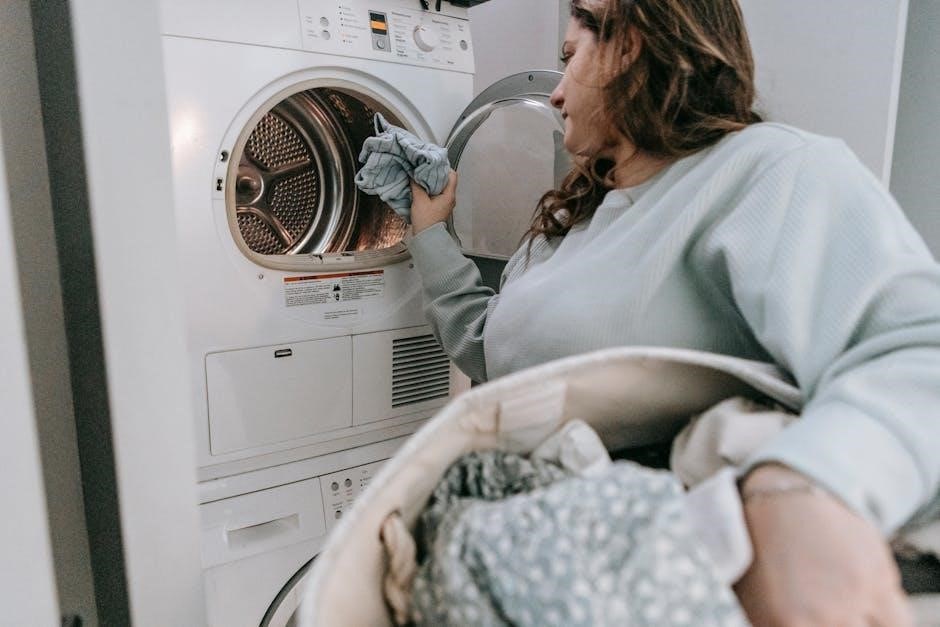
Electrolux Front Load Washer Manual: A Comprehensive Guide
Electrolux provides detailed guides for IQ-Touch front-load washers, covering installation, operation, maintenance, and troubleshooting for optimal performance.
Electrolux front load washers represent a commitment to innovative laundry solutions, blending advanced technology with user-friendly design. These machines are engineered to deliver exceptional cleaning performance while prioritizing fabric care and energy efficiency. This comprehensive manual serves as your guide to understanding and maximizing the capabilities of your Electrolux washer.
From the IQ-Touch series to various model configurations, Electrolux offers a range of front load options to suit diverse needs. Key features often include specialized wash cycles, precise temperature control, and robust build quality. Before operation, carefully review the safety instructions and installation guidelines detailed within this guide to ensure proper setup and safe usage.
Understanding Your Washer Model Series
Electrolux front load washers are categorized into distinct model series, each offering a unique set of features and capabilities. Identifying your specific model series is crucial for accessing tailored support and understanding its functionalities. The series number, vital for referencing documentation, can be located on the appliance itself – typically on a label inside the door or on the rear panel.
Different series may incorporate varying technologies, such as EcoInverter motors for enhanced energy savings or IQ-Touch controls for intuitive operation. Referencing your model number on the Electrolux website (http://www.electroluxappliances.com) provides access to specific user manuals, parts diagrams, and troubleshooting resources. Understanding these nuances ensures optimal performance and longevity of your appliance.
Safety Instructions and Warnings
Electrolux prioritizes user safety. Before operating your front load washer, carefully read all provided instructions and retain them for future reference. This appliance is not intended for use by individuals with reduced physical, sensory, or mental capabilities without proper supervision or instruction. Children should be supervised to ensure they do not play with the appliance.
Crucially, the washer MUST be properly grounded to prevent electrical shock. Do not attempt to repair the appliance yourself; contact qualified service personnel. Never light any appliance for any reason. Avoid using abrasive cleaning agents, as they can damage the surfaces. Disconnect the power supply before cleaning or performing maintenance.
Important Safety Precautions
To ensure safe operation, always inspect the washer for damage before each use. Do not operate the appliance if the power cord or plug is damaged. Avoid overloading the washer, as this can affect performance and potentially cause damage. Keep the area around the washer clear of flammable materials.
Never attempt to open the door during a wash cycle, as water may be hot and cause burns. Always supervise children near the appliance. Do not insert hands into the drum while it’s rotating. If the appliance malfunctions, immediately disconnect the power and contact Electrolux support. Prioritize safety during installation and maintenance.
Electrical Grounding Requirements
The Electrolux washer MUST be properly grounded to minimize the risk of electric shock. This appliance is designed for use with a standard household electrical outlet. Do not attempt to alter the plug or bypass the grounding feature. Ensure the voltage and frequency of the power supply match the specifications on the appliance’s rating plate.
Never connect the washer to an extension cord or multi-outlet adapter. If a grounding type outlet is not available, consult a qualified electrician for installation. Improper grounding can lead to a hazardous situation. Regularly inspect the power cord for damage and replace it if necessary. Always disconnect power before any maintenance or cleaning.
Installation and Setup
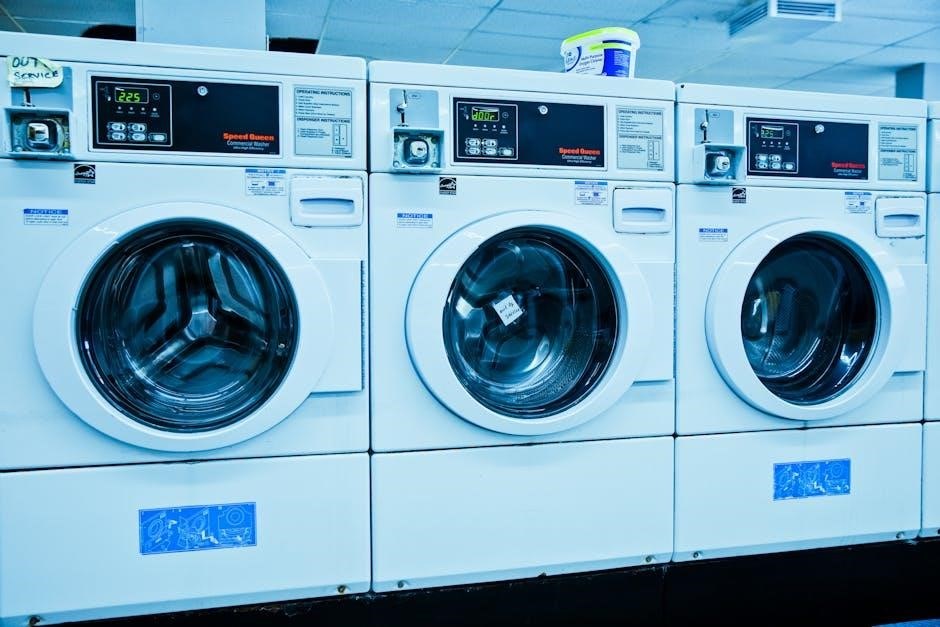
Proper installation involves unpacking, leveling, and connecting the water supply and drain hose, ensuring a secure and efficient operation of your Electrolux washer.
Unpacking and Initial Inspection
Carefully unpack your new Electrolux front load washer, removing all packaging materials, including shipping bolts and foam supports. These are crucial for safe transport and must be removed before operation to prevent damage. Inspect the washer thoroughly for any visible signs of damage incurred during shipping – dents, scratches, or broken parts.
Verify that all included accessories are present, such as the drain hose, water supply hoses, and any provided manuals or documentation. Retain the packaging materials for potential future transport or warranty claims. If any damage is detected, immediately contact the retailer or Electrolux customer support. Do not attempt to operate a damaged appliance.
Positioning and Leveling the Washer
Choose a firm, level floor to position your Electrolux front load washer, capable of supporting its weight when fully loaded. Ensure adequate space around the washer for proper ventilation and access for maintenance. If installing on a plinth or stacking a washer-dryer combination, utilize the specified accessories for stability.
Use a spirit level to check the washer’s levelness. Adjust the leveling feet, located at the bottom corners, until the washer is perfectly balanced. Proper leveling minimizes vibration and noise during operation, extending the appliance’s lifespan. Securely tighten the lock nuts on the leveling feet once the desired level is achieved.
Connecting Water Supply and Drain Hose
Connect the water supply hose to a cold water faucet with a compatible thread size. Ensure the hose is securely tightened to prevent leaks. The drain hose should be positioned into a standpipe or laundry tub, maintaining the correct height as specified in the manual to facilitate proper drainage.
Avoid kinks or sharp bends in both the water supply and drain hoses, as these can restrict water flow. Regularly inspect the connections for leaks and tighten as needed. Proper installation of these hoses is crucial for efficient washer operation and preventing water damage.
Water Supply Connection Details
The Electrolux washer requires a cold water supply connection. Use a new hose set; do not reuse old ones. Ensure the water faucet has a pressure between 20 and 120 psi. Connect the inlet hose to the marked hot and cold water taps, tightening securely by hand, then using pliers for a quarter turn.
Check for leaks immediately after connection. If using a threaded pipe connection, apply Teflon tape to the threads before attaching the hose. Avoid cross-threading to prevent damage. A properly secured water supply is vital for safe and efficient operation.
Drain Hose Installation Guidelines
Proper drain hose installation prevents water damage and ensures efficient wastewater removal. The drain hose must be securely inserted into a standpipe with a diameter of at least 1.97 inches. The standpipe height should be between 30 and 96 inches from the floor.
Avoid excessive bending or kinking of the hose, as this restricts water flow. Ensure the hose is firmly clamped to prevent accidental dislodgement. Never connect the drain hose directly to a garbage disposal; use a dedicated standpipe. Regularly inspect the hose for cracks or leaks.
Operating Instructions
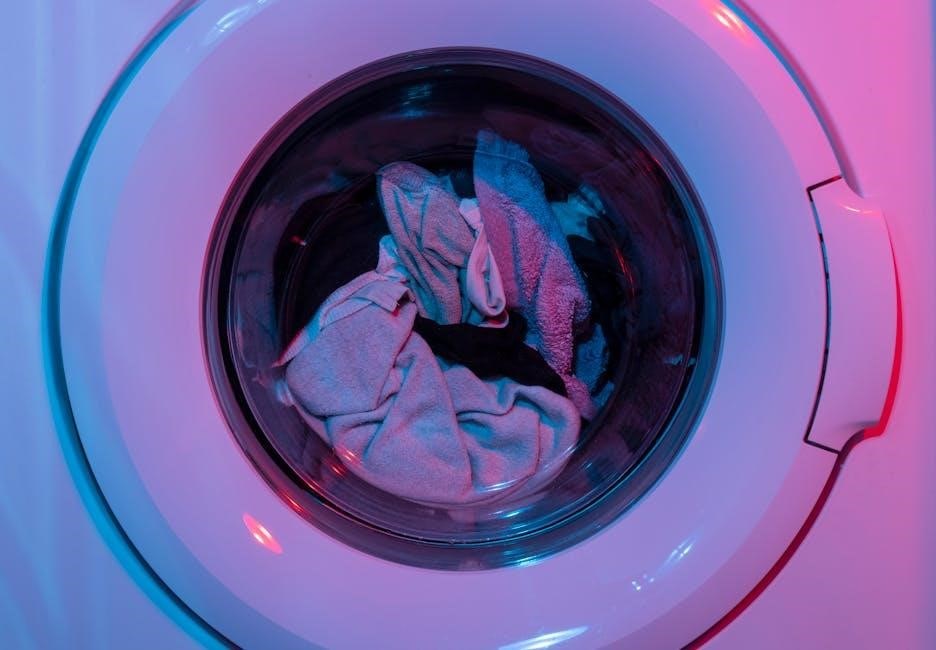
Electrolux washers feature intuitive controls; properly loading laundry and selecting appropriate wash cycles are key for optimal cleaning performance and fabric care.
Control Panel Overview
The Electrolux front load washer’s control panel is designed for user-friendly operation. It typically includes a digital display showcasing cycle selections, remaining time, and options. A power button initiates or cancels cycles, while a start/pause button manages operation. Cycle selection dials or touchscreens allow choosing from various wash programs like Normal, Delicates, and Quick Wash.
Option buttons adjust settings such as temperature, spin speed, and extra rinse features. Error codes displayed indicate potential issues requiring attention. The panel’s interface provides clear visual cues for each function, ensuring easy navigation and customization of wash preferences. Familiarizing yourself with these controls unlocks the full potential of your Electrolux washer.
Loading Laundry Properly
To maximize cleaning performance and protect your Electrolux front load washer, proper loading is crucial. Avoid overloading the drum; leave ample space for clothes to move freely. Distribute items evenly to maintain balance during the spin cycle, preventing excessive vibration and noise.
Always check pockets for objects like coins or keys. Delicate items should be placed in a mesh laundry bag to prevent damage. For optimal results, do not tightly pack laundry. Follow the recommended load sizes indicated in the wash cycle guide. Proper loading ensures efficient washing and extends the lifespan of your appliance.
Selecting Wash Cycles
Your Electrolux front load washer offers a variety of wash cycles tailored to different fabric types and soil levels. The Normal/Cotton Cycle is ideal for everyday cotton and linen items. For delicate fabrics like silk or lingerie, choose the Delicates/Hand Wash Cycle, which provides a gentler wash action.
Additional cycles may include options for bulky items, quick wash, or sanitize. Refer to the control panel and user manual for a complete list and descriptions of available cycles. Selecting the appropriate cycle ensures optimal cleaning and fabric care, preserving the quality of your garments.
Normal/Cotton Cycle
The Normal/Cotton Cycle on your Electrolux front load washer is designed for durable, everyday fabrics like cotton, linen, and blends. This cycle utilizes a robust wash action and appropriate water temperature to effectively remove dirt and stains from typically soiled items. It’s perfect for bed sheets, towels, and everyday clothing.
Adjustable options within this cycle allow customization for soil level and spin speed. For heavily soiled items, select a higher soil level. Always check garment care labels before using this cycle to ensure fabric compatibility and prevent damage.
Delicates/Hand Wash Cycle
The Delicates/Hand Wash Cycle is specifically engineered for fragile items requiring gentle care, such as lingerie, silk, lace, and hand-washable garments. This cycle employs a slow wash action and cool water temperatures to minimize stretching, snagging, and fading. It’s ideal for preserving the integrity of delicate fabrics.
Always place delicate items inside a mesh laundry bag for added protection during the wash cycle. Avoid overloading the washer, as this can reduce cleaning effectiveness and increase the risk of damage. Select a low spin speed to further protect delicate fabrics from excessive wrinkling.
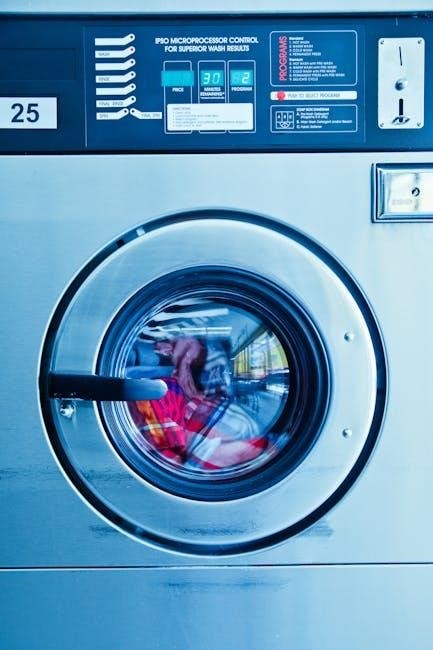
Adjusting Wash Options
Electrolux washers offer customizable wash options to tailor each cycle to your specific laundry needs. These options allow for precise control over water temperature, spin speed, and rinse cycles. Adjusting these settings ensures optimal cleaning and fabric care.
Utilize the control panel to modify these settings before starting a wash. Experimenting with different combinations can significantly improve cleaning results and protect your garments. Remember to consider the fabric type and soil level when selecting your preferred options. Proper adjustment maximizes efficiency and extends the life of your clothes.
Temperature Selection
Electrolux front load washers provide a range of water temperature options to suit various fabric types and cleaning needs. Selecting the appropriate temperature is crucial for effective stain removal and preventing damage to your clothes. Options typically include Cold, Warm, and Hot washes.
Cold water is ideal for delicate fabrics and preventing color fading, while warm water is suitable for everyday laundry. Hot water is best for heavily soiled items and sanitizing, but may cause shrinkage. Always check garment care labels before selecting a temperature. Proper temperature selection ensures optimal cleaning and fabric preservation.

Spin Speed Control
Electrolux front load washers offer adjustable spin speeds, allowing you to customize the cycle based on fabric type and desired dryness level. Higher spin speeds extract more water, reducing drying time, but can cause more wrinkles. Lower spin speeds are gentler on delicate items, minimizing damage and wrinkling.
Press the Spin button repeatedly to cycle through available speeds. Options typically range from No Spin to Extra High Spin. For bulky items like towels or jeans, a higher spin speed is recommended. For delicate fabrics, choose a lower spin speed to prevent stretching or damage. Proper spin speed selection optimizes both cleaning and fabric care.
Extra Rinse Option
Electrolux front load washers feature an Extra Rinse option designed to thoroughly remove detergent residue from your laundry. This is particularly beneficial for individuals with sensitive skin or allergies, as residual detergent can cause irritation. Utilizing an extra rinse cycle ensures cleaner, softer clothes and minimizes potential skin reactions.
To activate the Extra Rinse option, locate the corresponding button on the control panel and select it before starting the wash cycle. The washer will automatically add an additional rinse step to the selected program. This feature enhances cleaning performance and provides peace of mind, guaranteeing a truly fresh and residue-free wash.
Maintenance and Cleaning
Regular cleaning of the detergent dispenser, drum, and filter is crucial for maintaining peak performance and extending the lifespan of your Electrolux washer.
Cleaning the Detergent Dispenser
To ensure optimal washing performance, regularly clean the detergent dispenser. Remove the dispenser drawer by pressing the release button or lever, consulting your specific model’s manual for exact location. Rinse the drawer thoroughly under warm water, removing any accumulated detergent residue or fabric softener buildup. Pay close attention to the compartments and any small openings.
For stubborn residue, use a soft brush or cloth. Avoid abrasive cleaners, as they can damage the dispenser. Inspect the dispenser housing within the washer and remove any lingering debris. Ensure all parts are completely dry before reinserting the drawer. A clean dispenser prevents clogs and ensures accurate detergent distribution, contributing to cleaner laundry and a longer-lasting appliance.
Cleaning the Drum
Maintaining a clean washer drum is crucial for preventing odors and ensuring effective cleaning. Regularly run a cleaning cycle using a washer cleaner specifically designed for front load washers, following the product’s instructions. Alternatively, you can use a cup of white vinegar added directly to the drum and run a hot water cycle.
Periodically wipe down the drum’s interior with a damp cloth to remove any visible residue or buildup. Pay attention to the rubber door gasket, cleaning it thoroughly to prevent mold and mildew growth. Leaving the door slightly ajar after each wash aids in ventilation and prevents moisture buildup, contributing to a fresher, cleaner drum.
Cleaning the Filter
The Electrolux washer filter traps lint, debris, and small objects, requiring periodic cleaning to maintain optimal performance. Locate the filter access panel, typically at the front bottom of the machine. Have a towel handy to absorb any spilled water when opening the panel. Carefully unscrew and remove the filter, cleaning it thoroughly under running water to remove all accumulated debris.
Inspect the filter housing for any obstructions and clear them as needed. Reinstall the filter securely, ensuring a watertight seal to prevent leaks. Regularly cleaning the filter—at least every few months—prevents drainage issues and prolongs the life of your washing machine.
Troubleshooting Common Issues
If your Electrolux washer isn’t draining, check the drain hose for kinks or obstructions. A clogged filter is another frequent cause; ensure it’s clean. For a washer that won’t spin, verify the load is balanced and the lid is properly closed. Consult the error codes displayed – the manual details their meanings.
Common error codes indicate specific problems, guiding you toward a solution. If issues persist, refer to the online support resources at electroluxappliances.com. Always disconnect the power before attempting any repairs. Remember safety first, and avoid attempting complex fixes without professional assistance.
Washer Not Draining
If your Electrolux front load washer isn’t draining, first inspect the drain hose for any kinks, bends, or obstructions that might be blocking the water flow. A common culprit is a clogged drain filter – locate and carefully clean it, as debris often accumulates there. Ensure the drain hose isn’t inserted too far into the drainpipe, which can cause siphoning.
Also, verify that the drainpipe isn’t clogged itself. If the problem continues, consult the manual for specific troubleshooting steps related to your model. Disconnect power before inspecting internal components. If unsure, contact a qualified technician.
Washer Not Spinning
If your Electrolux front load washer isn’t spinning, ensure the load is balanced. An unbalanced load can trigger a safety mechanism preventing spin to avoid damage. Check for excessive suds, as they can sometimes interfere with the spinning process; use the appropriate amount of detergent. Verify the lid switch is functioning correctly – the washer won’t spin if it doesn’t detect the door is closed.
Consult your manual for error codes, as these can pinpoint the issue. If the problem persists, a faulty drive motor or belt might be the cause, requiring professional repair. Always disconnect power before any inspection.
Error Codes and Their Meanings
Electrolux front load washers utilize error codes to diagnose issues. These codes, displayed on the control panel, offer valuable insights into the problem. For example, a code indicating a water supply issue suggests checking the inlet hoses and water pressure. Drainage errors signal potential clogs in the drain hose or pump filter.
Refer to your specific model’s manual for a comprehensive list of codes and their corresponding solutions. Ignoring error codes can lead to further damage. Some codes may require professional service, while others can be resolved with simple troubleshooting steps.
Additional Resources
For online support, product information, and warranty details regarding your Electrolux washer, visit http://www.electroluxappliances.com for assistance.
Accessing Online Support and Product Information
Electrolux offers a wealth of resources online to assist you with your front load washer. Visiting http://www.electroluxappliances.com provides access to detailed product manuals, frequently asked questions, and troubleshooting guides. You can also register your appliance for warranty coverage and receive important updates.
The website features helpful videos demonstrating proper usage and maintenance procedures. Should you encounter issues, the online support portal allows you to submit inquiries or connect with a customer service representative. Furthermore, you can find replacement parts and accessories directly through the Electrolux website, ensuring your washer continues to operate at peak efficiency for years to come. Don’t hesitate to utilize these valuable online tools!
Warranty Information
Electrolux front load washers are backed by a comprehensive warranty, protecting against manufacturing defects in materials and workmanship. The specific terms and duration of the warranty vary depending on the model and region, so it’s crucial to review your purchase documentation. Typically, the warranty covers parts and labor for a specified period, often one year for parts and limited lifetime for certain components like the stainless steel drum.
To ensure warranty validity, proper installation and use, as outlined in the manual, are essential. Registering your appliance online at the Electrolux website is highly recommended to streamline any potential claims. Keep your proof of purchase safe, as it will be required for warranty service.